None
EN
Gerry Cohen: Blank bills: what you need to know about NC's bill-filing work-around
['Dylan Thiessen', 'Sam Kornylak', 'Aidan Lockhart']
News RSS Feed
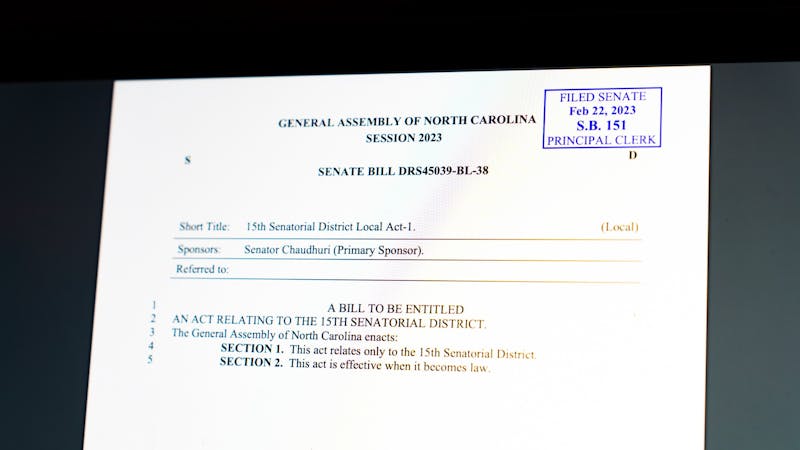
Andy Jackson, the director of the Civitas Center for Public Integrity at the John Locke Foundation, said blank bills are useful for senators because they can be used to respond to local issues that arise after the deadline for filing local bills. This newer deadline system is possible because North Carolina Senate bills can be amended after they are filed, as long as the committee to which the bill is assigned approves of the senator’s new draft of the bill, which is called a “substitute.” Although senators may only submit one blank bill per legislative session, Cohen, who worked in various roles for the North Carolina General Assembly from 1977 until 2014, said blank bills used to be allowed in both houses in an unlimited quantity.