None
EN
Robyn Caplan: Could a TikTok Ban Actually Happen?
['Lora Kelley']
News RSS Feed
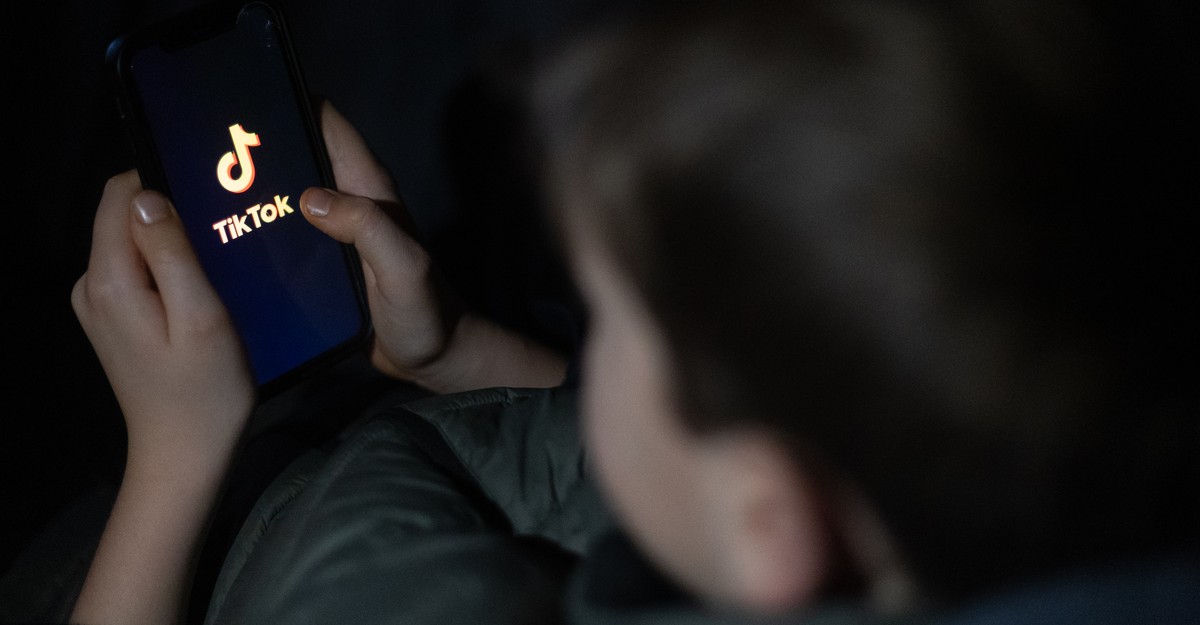
Efforts to ban TikTok in the United States—or at least to attempt to force the Chinese-founded company ByteDance to divest TikTok—have recently picked up momentum. The current bill frames its intention as a forced sale rather than an outright ban—a move that aims in part “to circumvent those types of legal challenges,” according to Kate Ruane, the director of the Free Expression Project at the Center for Democracy and Technology, which opposes the House bill. “Some TikTok users have bemoaned that Congress still believes that TikTok is comprised of ‘young people dancing videos,’ rather than as a space for legitimate cultural and political expression,” Robyn Caplan, an assistant professor at Duke University's Sanford School of Public Policy, told me in an email.