None
EN
For 300 Million Years, Fossilized Poop Was Trapped in Stone — And It’s Holding the Fingerprints of Creatures Long Gone
[]
The Daily Galaxy –Great Discoveries Channel
Most scientists would have bet on phosphate minerals doing the preserving—after all, they’re widely credited with maintaining fossil structure.
Tripp is an Adjunct Research Fellow at Curtin’s School of Earth and Planetary Sciences, and she’s spent years trying to understand the chemistry behind fossil preservation.
These iron carbonate minerals might be more important for molecular preservation than previously thought.
Instead of relying on pure chance, scientists can begin targeting specific types of rocks especially those where fossilized poop might be hiding molecular clues.
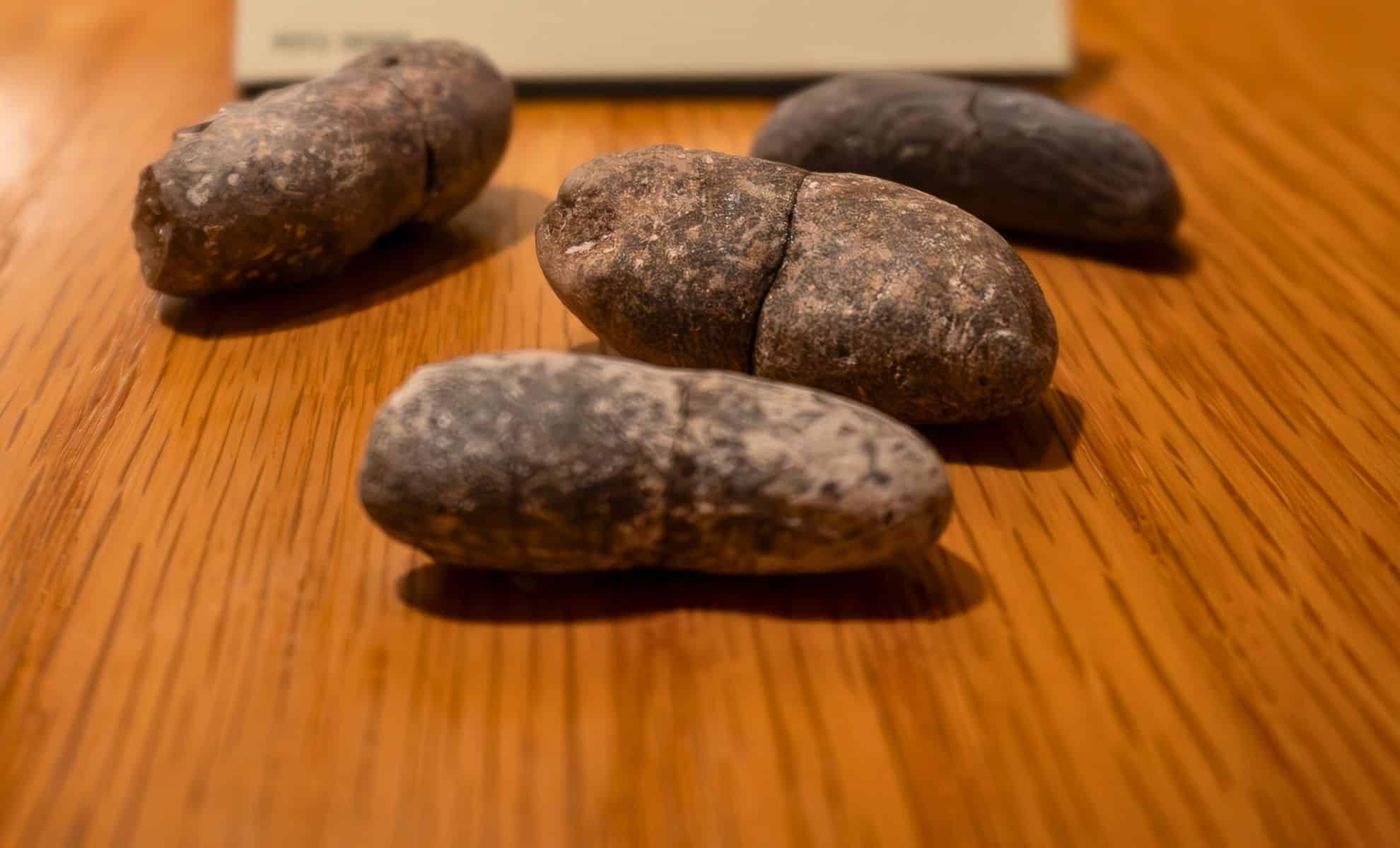
And all of it—from feeding habits to decay—was locked inside a piece of ancient poop.
['trapped'
'long'
'minerals'
'scientists'
'study'
'stone'
'poop'
'million'
'fossilized'
'fossil'
'gone'
'molecular'
'real'
'preservation'
'fingerprints'
'ancient'
'molecules'
'holding'
'creatures']