None
EN
The United States Losing the Race Back to the Moon Because of… SpaceX!
[]
The Daily Galaxy –Great Discoveries Channel
As China accelerates its plans to land astronauts on the Moon by 2030, questions are mounting over whether the United States will meet its own timeline — or fall behind in a race it once led.
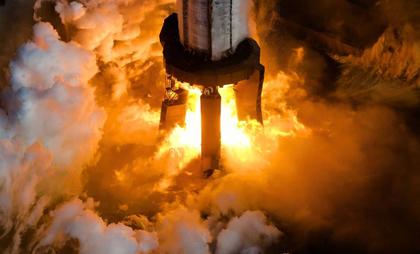
At the center of the uncertainty lies SpaceX’s Starship, the next-generation rocket NASA is relying on to land its astronauts on the lunar surface for the Artemis III mission.
The reusable system promised lower costs, higher payload capacity and unprecedented versatility — on paper, at least.
The vehicle’s last few test flights ended in explosive failures, with neither astronauts nor cargo reaching orbit.
If successful, China could become the second nation in history to land humans on the Moon — and the first to establish a permanent presence there.
['race'
'moon'
'delays'
'spacex'
'states'
'nasa'
'losing'
'lunar'
'mission'
'united'
'land'
'system'
'starship'
'human'
'astronauts'
'china']