None
EN
Rare Artifact Found in Sweden Sheds Light on Iron Age Metal Trade between Atlantic and Baltic Sea
['News Staff']
Sci.News: Breaking Science News
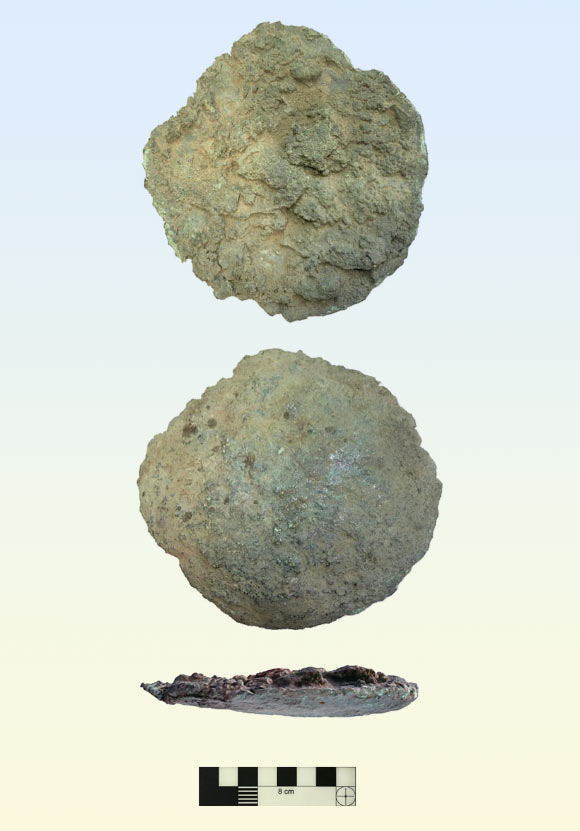
Due to its shape and size, it seemed to the researchers a Bronze Age artifact, but the object turned out to be made of a copper-zinc-tin-lead alloy, typical of the Iron Age and later periods.
The artifact proved to be a so-called plano-convex ingot — the first of its kind ever found in the country.
The overall shape, size, and weight of the ingot strongly suggested that it could be a Bronze Age find.
“Initially, we believed the Särdal ingot to date back to the Bronze Age,” the archaeologists said.
Iron age metal trade between the Atlantic and the Baltic Sea: new insights from the first complete plano-convex ingot found in Sweden and ingot rods from the Iława Lakeland in northeastern Poland.
['ingot'
'baltic'
'west'
'sea'
'sheds'
'metal'
'trade'
'light'
'iron'
'särdal'
'size'
'rare'
'bronze'
'atlantic'
'sweden'
'ingots'
'planoconvex'
'age']