None
EN
Earth’s Ozone Layer Remains on Track to Recovery in Coming Decades, Experts Say
['News Staff']
Sci.News: Breaking Science News
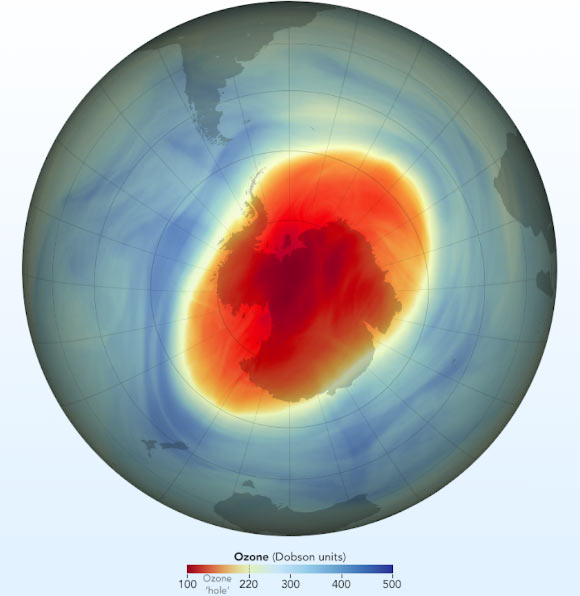
The ozone layer is healing and the Antarctic ozone hole in 2024 was smaller than in previous years, according to a new report from the World Meteorological Organization (WMO).
The depth of 2024 Antarctic ozone hole — which appears over the Antarctic every spring — was below the 1990-2020 average, with a maximum ozone mass deficit of 46.1 million tons on September 29.
Its onset was relatively slow, and delayed ozone depletion was observed through the month of September, followed by a relatively rapid recovery after the maximum deficit was reached.
“This persistent later onset has been identified as a robust indication of initial recovery of the Antarctic ozone hole,” WMO experts said in a statement.
“WMO’s scientific research into the ozone layer dates back decades,” said WMO Secretary-General Celeste Saulo.
['hole'
'uv'
'ozone'
'coming'
'antarctic'
'wmo'
'smaller'
'substances'
'layer'
'earths'
'say'
'world'
'experts'
'recovery'
'relatively'
'track'
'decades'
'remains']