None
EN
Comment on CRISPR gene editing moved into new territory in 2017 by Startup Secretly Working to Gene-Hack Human Baby – CHRISTIAN
['Tina Hesman Saey', 'Erin Garcia De Jesús', 'Brendan Pierson', 'Carolyn Gramling', 'Rebecca Dzombak', 'Katarina Zimmer', 'Emily Conover', 'Skyler Ware', 'Nikk Ogasa', 'December']
Comments for Science News
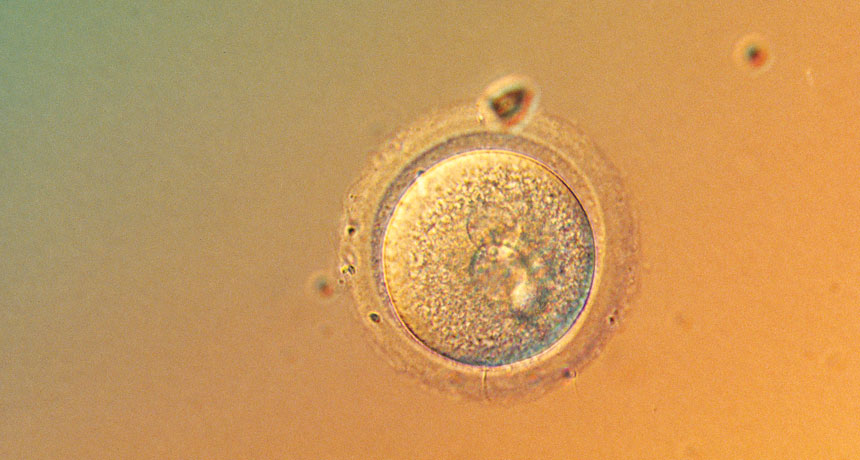
Until March, the battles were mostly academic because previous attempts to edit human embryos were done in embryos that would never develop into a baby (SN Online: 4/8/16; SN Online: 4/23/15). Instead of using a piece of DNA that the researchers injected to repair cuts made by CRISPR/Cas9, human embryos used their own DNA from another chromosome as a repair template. In October, Liu and colleagues reported that they’d made another base editor that can do a previously impossible trick: convert an A into a G. The two base editors together may allow researchers to repair most of the single base mutations responsible for causing human diseases, such as sickle-cell anemia, muscular dystrophy and cystic fibrosis.