None
ES
Ancient Brown Dwarf Reveals Missing Silicon Mystery in Giant Planets
['Ben Sullivan']
ScienceBlog.com
The detection represents a significant step forward in understanding atmospheric chemistry across gas giant planets, brown dwarfs, and potentially habitable exoplanets.
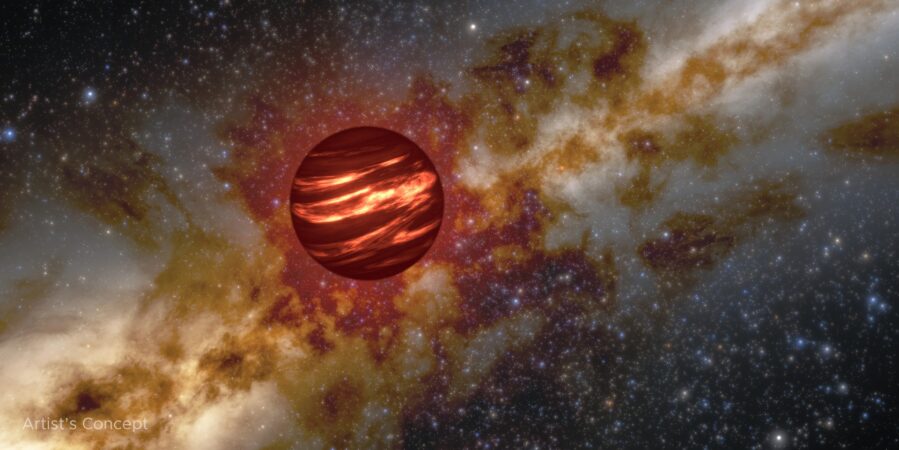
This ancient brown dwarf, located about 50 light-years from Earth, has a metallicity less than 1% of our sun’s composition.
The brown dwarf’s unusual properties initially made it difficult to classify.
Brown dwarfs often provide easier study targets than exoplanets because their light isn’t drowned out by nearby stars, offering clearer views of atmospheric chemistry.
Understanding atmospheric complexity in brown dwarfs helps prepare scientists for future analyses of potentially Earth-like planets, where distinguishing between different atmospheric compositions could indicate habitability signs.
['oxygen'
'dwarfs'
'atmospheric'
'silicon'
'gas'
'reveals'
'ancient'
'silane'
'accident'
'jupiter'
'atmospheres'
'dwarf'
'mystery'
'brown'
'planets'
'giant'
'missing']