None
EN
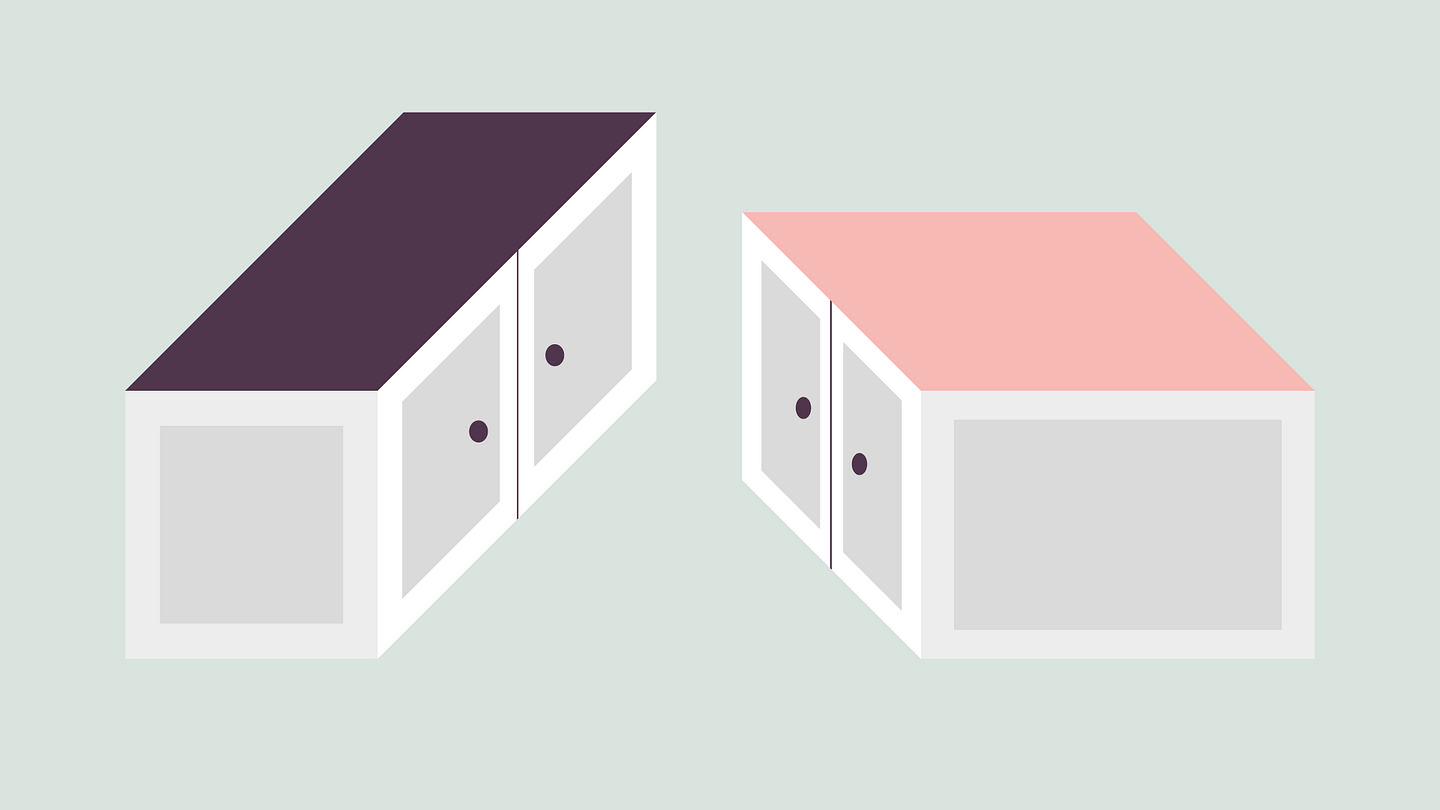
Which One of These Cabinets Is Bigger?
[]
Mentalfloss Feed
As the name suggests, Shepard used an illustration of tables rather than cabinets—but other than that, the two illusions are essentially the same. “Because of the inferences about orientation, depth, and length are provided automatically by underlying neuronal machinery, any knowledge or understanding of the illusion we may gain at the intellectual level remains virtually powerless to diminish the magnitude of the illusion,” Shepard wrote. In other words, even once you’ve been shown how the illusion works—even once you’ve seen one parallelogram placed directly atop the other—you’ll probably still think the two pieces of furniture look like they’re different sizes.