None
EN
Kaduna launches TBA policy, deploys health equipment to strengthen maternal, child care
['Paul Okah', 'Benjamin Samson', 'Ahmid Lawal', 'Emeka Nze', 'Adejayan Gbenga', 'Austine Agbo Emmanuel', 'Weekend Content Writer']
Blueprint Newspapers Limited
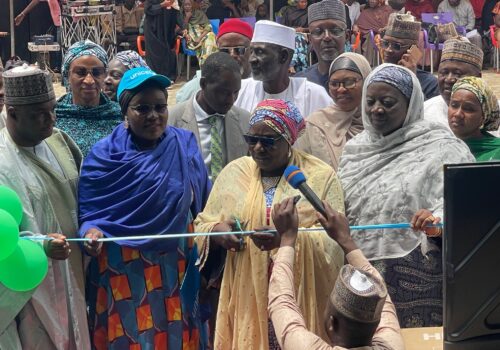
The deputy governor also stressed the importance of making essential MNCH equipment and consumables available at primary healthcare facilities, saying they were critical to preventing complications and saving the lives of mothers and children.
She urged the Kaduna State Primary Health Care Board and beneficiary facilities to properly utilise, maintain and account for the equipment and consumables.
She said TBAs remained influential in many communities, particularly among women facing barriers to accessing health facilities, adding that the new framework would define their roles, strengthen referral pathways and promote early identification of danger signs.
According to her, the policy would support efforts to ensure pregnant women receive antenatal care, deliver with skilled health personnel and are promptly referred to health facilities when complications arise.
The state government and UNICEF urged health workers, traditional and religious leaders, communities and other stakeholders to take ownership of the interventions and ensure they translate into improved health services and outcomes across Kaduna State.