None
EN
Dual-interface design enables high-performance ampere-hour aqueous zinc-iodine pouch cells
[]
Blog – Science
A new strategy could help transform aqueous zinc–iodine batteries from promising laboratory systems into practical large-scale energy-storage devices.
Aqueous zinc–iodine batteries have attracted intense interest because they combine the inherent safety of water-based electrolytes with the low cost and abundance of zinc and iodine.
At the iodine cathode, MIm⁺ coordinates with reactive iodine intermediates.
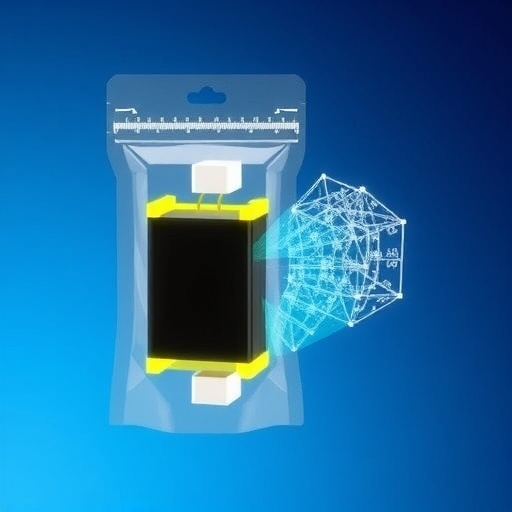
In the reported pouch cell, the strategy sustained the demanding zinc–iodine chemistry over more than 800 cycles while delivering 1.4 Ah of capacity.
The researchers say the work provides new insights into electrolyte-mediated interface regulation and creates a promising route toward safer, higher-energy aqueous zinc batteries.