None
EN
Splint Design and Thickness may influence load distribution in TMJ system: Study
['Jacinthlyn Sylvia', 'Written', 'Medically Reviewed', 'Neuroscience Masters Graduate', 'Dr. Kamal Kant Kohli']
Medical News, Health News Latest, Medical News Today - Medical Dialogues |
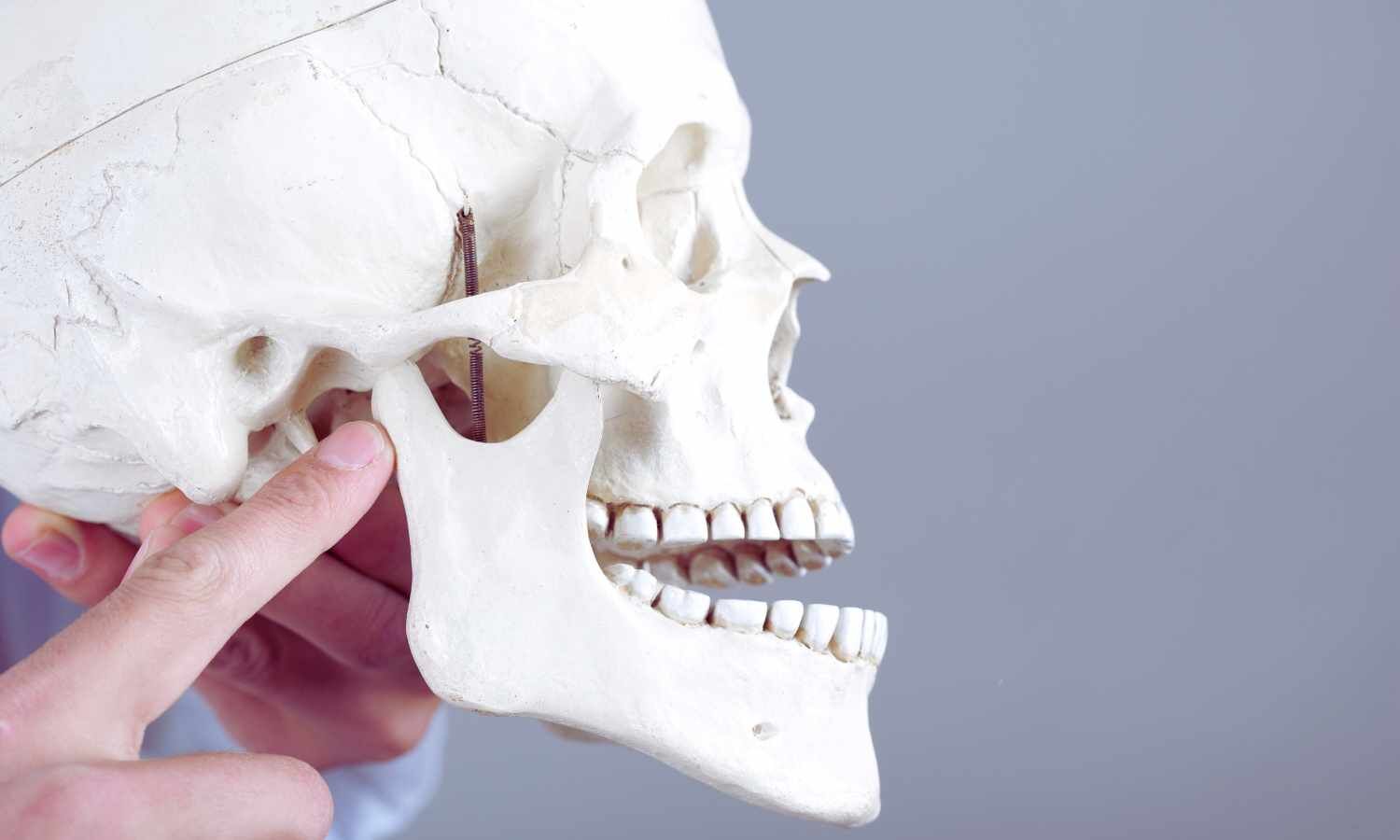
A new study published in the BMC Oral Health revealed that splint design and thickness significantly influence load distribution within the temporomandibular system.
Temporomandibular disorders (TMD) affect the jaw joint and chewing muscles, often causing pain, headaches, jaw stiffness, and difficulty chewing.
The study compared the Michigan stabilization splints and non-permissive splints, in thicknesses of 3 millimeters and 5 millimeters.
Overall, these findings suggest that splint choice should be guided by the primary treatment objective, while using the minimum effective splint thickness to balance benefits and potential adverse effects.
Effect of occlusal splint design and thickness on temporomandibular joint loading: a finite element study.