None
EN
Opinion: As Students Head Back to School, Let’s Rethink What’s Success in Sex Education
['April J.']
The 74
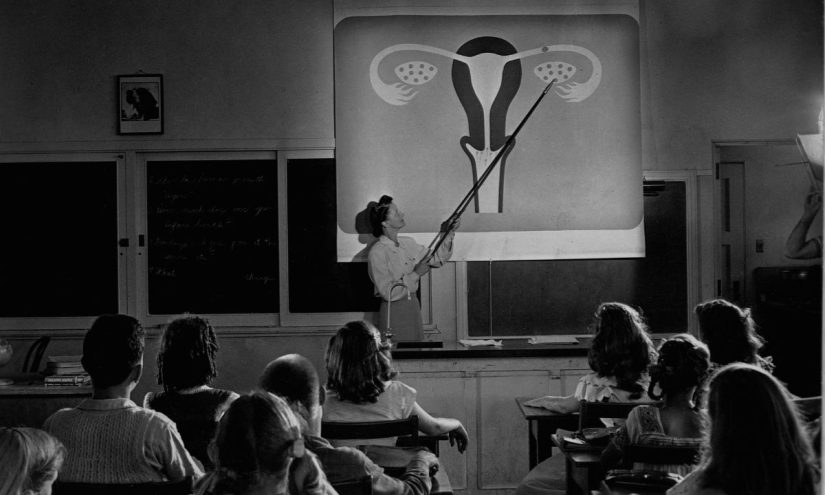
One topic will predictably return to the center of those debates: sex education.
Schools and districts should evaluate whether students leave sex education better able to communicate, assess information, establish boundaries and make decisions consistent with their values, not only whether pregnancy and infection rates decline.
Schools should make space for questions, communicate in the languages families use and be clear that sex education is not intended to replace conversations at home.
In a 2021 survey of Minnesota parents, approximately 90% said comprehensive sexuality education should be taught in schools.
As students return to school this year, we should expect more from sex education than the absence of negative outcomes.