None
EN
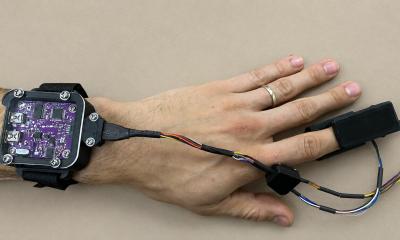
New pulse oximeter aims to solve skin color problems
['Valencia Koomson']
healthcare in europe
For decades, pulse oximeters have been one of medicine’s most familiar instruments.
Clip one onto a finger, and within seconds it reports how much oxygen is in your blood, a vital indication of health.
Variations in skin pigmentation, blood flow, and age can alter the faint optical signal that pulse oximeters and other wearable monitors using light depend on.
How pulse oximeters work—or don’t work—for different populations made the news early in the Covid pandemic.
A 2020 New England Journal of Medicine study found that despite reassuring pulse-oximeter readings, as many as 17% of Black patients were dangerously misread and had occult hypoxemia—dangerously low arterial oxygen—a rate of misdiagnosis more than three times as that of white patients.