None
EN
Skin-on-a-chip technology for safer materials
[]
Nanowerk Nanotechnology and Emerging Technologies News
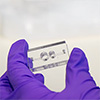
Skin-on-a-chip technology for safer materials Skin-on-chip technology helps assess nanomaterial safety, offering a realistic alternative to traditional skin testing.
While they offer many benefits, scientists still need better ways to understand how long-term exposure may affect our skin.
To demonstrate its potential, the researchers exposed the model to titanium dioxide nanoparticles, commonly used in products such as sunscreens and cosmetics.
They observed changes in the integrity of the skin barrier, cell metabolic activity and inflammatory responses, showing that the skin-on-chip model can reliably detect how nanoparticles affect human skin.
By recreating the complexity of human skin-on-chip, we can assess the safety of new nanomaterials with greater confidence while reducing the need for animal testing.”