None
EN
Seminoe Reservoir slips to ‘near-worst case’ scenario amid debate over controversial hydroelectric project
['.Wp-Block-Comment-Author-Name Box-Sizing Border-Box', '.Wp-Block-Post-Author Box-Sizing Border-Box Display Flex Flex-Wrap Wrap .Wp-Block-Post-Author__Byline Font-Size Margin-Bottom Margin-Top Width', '.Wp-Block-Post-Author__Avatar Margin-Right .Wp-Block-Post-Author__Bio Font-Size Margin-Bottom .Wp-Block-Post-Author__Content Flex-Basis Flex-Grow .Wp-Block-Post-Author__Name Margin', '.Wp-Block-Post-Author-Biography Box-Sizing Border-Box', '.Wp-Block-Post-Author-Name Box-Sizing Border-Box', '.Wp-Block-Co-Authors-Plus-Coauthors.Is-Layout-Flow', 'Class', 'Wp-Block-Co-Authors-Plus', 'Display Inline', '.Wp-Block-Co-Authors-Plus-Avatar']
News Archives - Oil City News
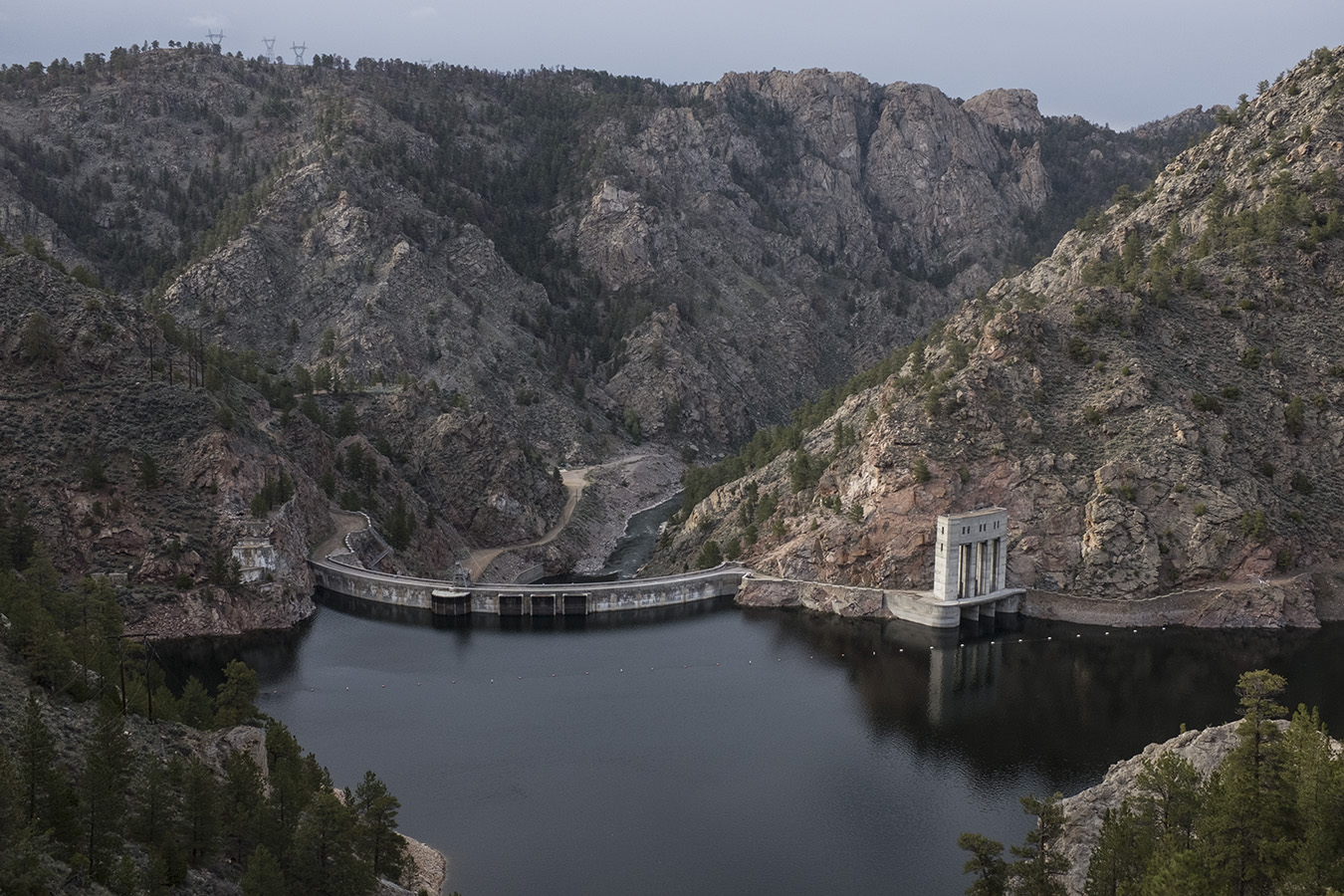
by Dustin Bleizeffer, WyoFileDriven by historically low snowpack and above average temperatures this summer, Seminoe Reservoir has slipped into “near-worst case” water quality modeling scenarios that federal officials are relying on to greenlight a controversial pumped-water storage hydroelectric project there.
This map depicts a proposed pumped water storage energy project at Seminoe Reservoir.
Miracle Mile worriesAmong local concerns regarding the $4 billion, five-year construction project is the Miracle Mile stretch of the North Platte River below the Seminoe and Kortes dams.
An angler releases a trout caught on the Miracle Mile portion of the North Platte River below Seminoe Reservoir.
Surface water at Seminoe Reservoir, seen in August 2013, 2020, 2022 and 2026.