None
EN
Before the Union Buildings march, there were Queens
['Gillian Schutte', 'Sunday World', 'Please Enter Your Name Here', 'Root', '--Ppa-Color-Scheme', '--Ppa-Color-Scheme-Active', 'Sourceurl Multiple-Authors-Widget-Css-Inline-Css', '.Pp-Multiple-Authors-Boxes-Wrapper.Pp-Multiple-Authors-Layout-Inline.Multiple-Authors-Target-The-Content .Pp-Author-Boxes-Avatar Img', 'Width', 'Important']
Sunday World
The 1956 march on the Union Buildings remains central to that history, as it should.
They withheld equivalent recognition from African royal women because imperial ideology depicted African societies as politically undeveloped.
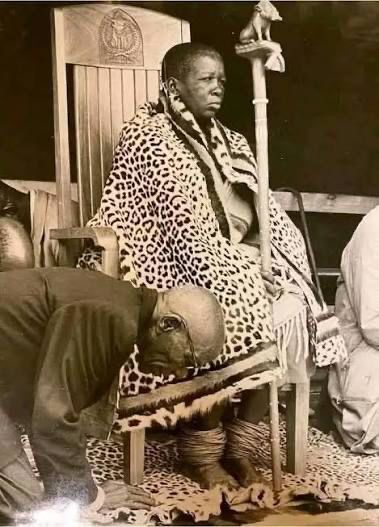
Further north, the Modjadji queens of the Balobedu governed through one of Southern Africa’s most enduring institutions of female rule.
Neighbouring rulers sought the rain queen’s assistance during drought, while the queens received tribute.
The queens governed within distinct constitutional traditions.