None
EN
Stress can scramble your brain’s internal GPS, MRI study finds
[]
Latest Science News -- ScienceDaily
The finding comes from an imaging study involving 40 participants who completed a virtual navigation task while researchers monitored their brain activity with MRI.
During both sessions, they performed a spatial orientation task while their brain activity was recorded in an MRI scanner.
Stress Disrupts the Brain's Internal GPSThe effects of cortisol were also visible in the functional MRI data.
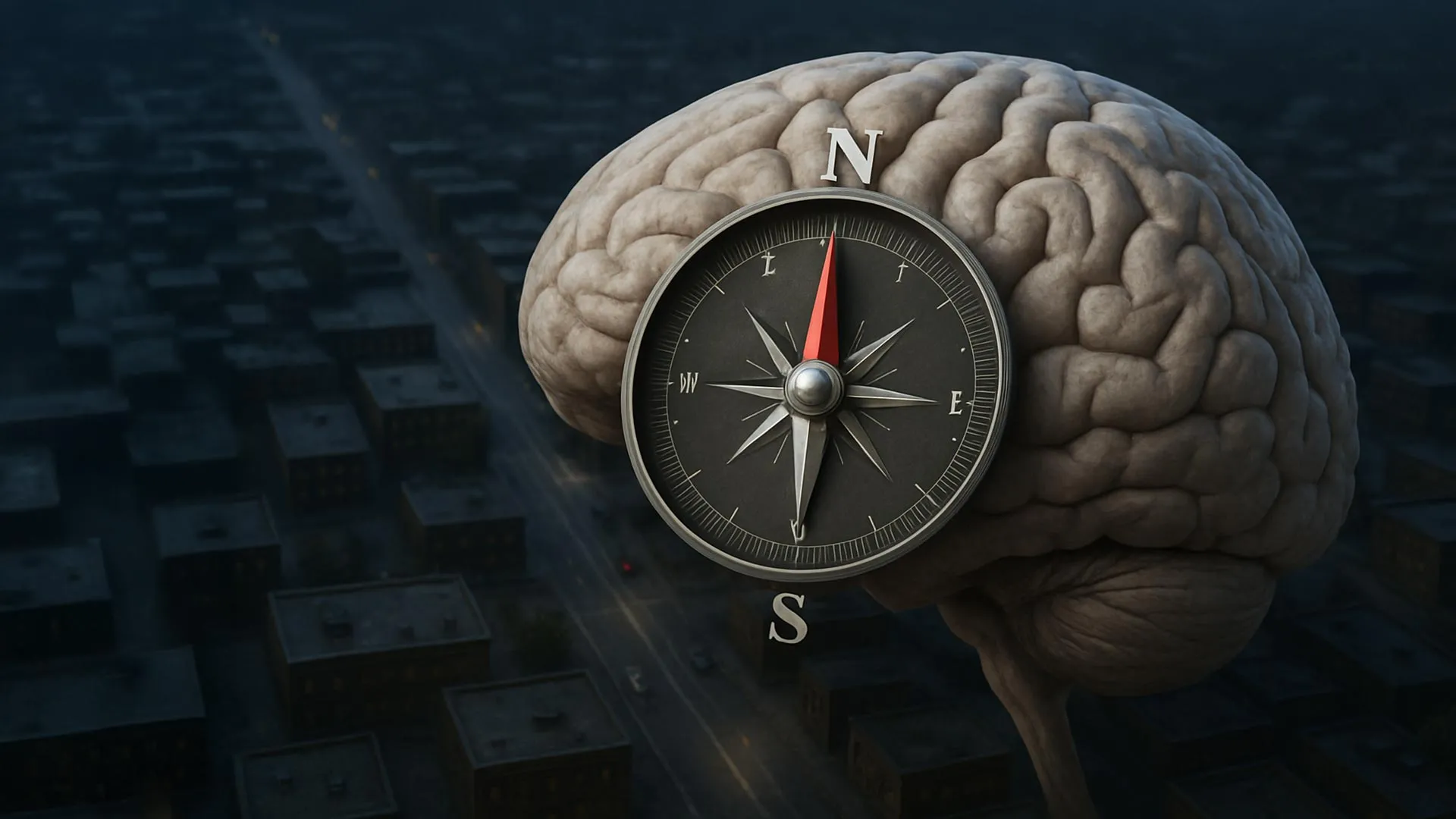
Under normal conditions, certain nerve cells in the entorhinal cortex become active in a repeating grid pattern during spatial navigation.
These cells are known as "grid cells" and effectively function as part of the brain's internal GPS system.