None
EN
Russian Bases in Syria To Become Joint Training Centers Under New Agreement
['Rizik Alabi']
The Media Line
The two sides also agreed to redefine the role of Russian military facilities, converting them from military bases into joint training and qualification centers under arrangements intended to preserve the interests of both countries, the ministry said.
The ministry did not disclose how many Russian personnel would remain in Syria, the nature of the activities planned for the joint centers, the duration of the new framework, or whether it fully replaces earlier agreements governing Russia’s military presence in Syria.
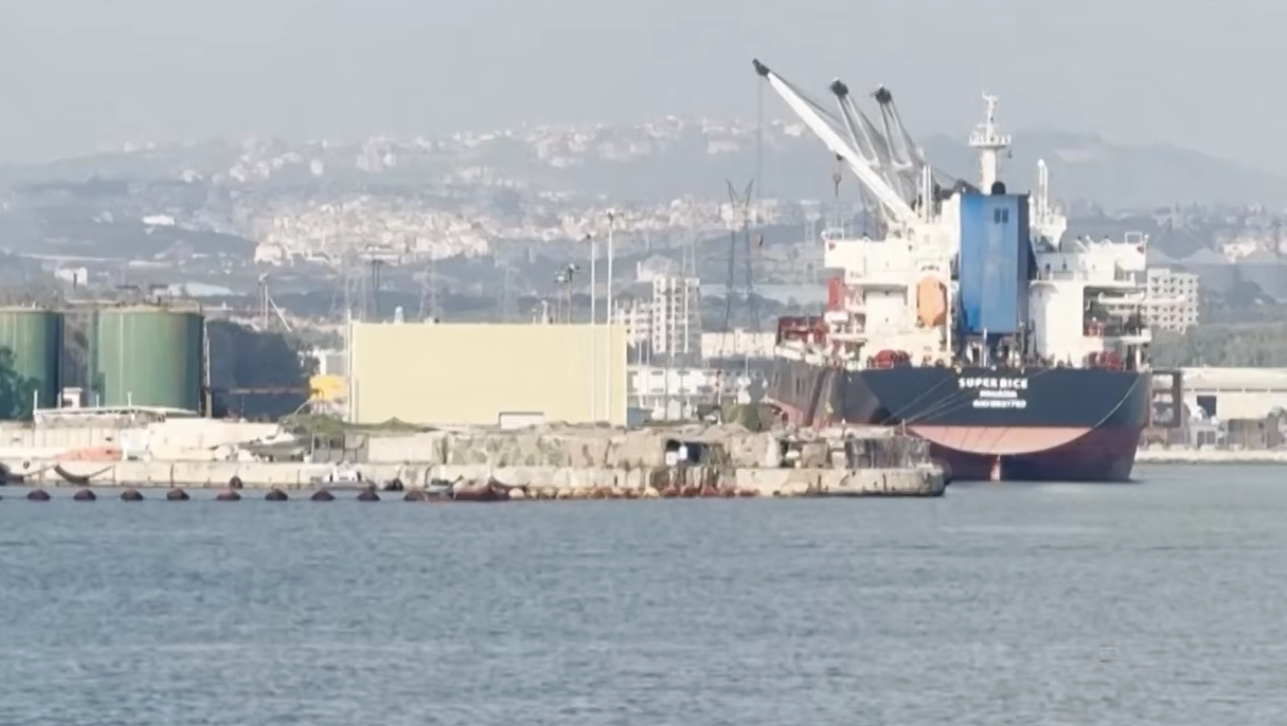
Russia’s presence on Syria’s coast dates back to the Soviet era, when Tartus began operating as a logistical support facility in 1971.
Its strategic significance grew after Russia’s direct military intervention in Syria in 2015, when Hmeimim in Latakia province became a central hub for Russian air operations.
The two sites consequently served as central pillars of Russian military influence in Syria and the eastern Mediterranean, with Hmeimim supporting Russian air power and Tartus providing Moscow with a naval foothold.