None
EN
Exploring 'very low Earth orbit': The world's 1st air-breathing satellite thruster could soon get a test run
['Julian Dossett', 'Layer Van-Ds .Vds-Author Font-Size Var --Text-Base', 'Font-Size Var --Vds-Author-Font-Size', 'Var --Text-Base', 'Line-Height Var --Text-Base--Line-Height', 'Line-Height Var --Vds-Author-Line-Height', 'Var --Text-Base--Line-Height', 'Letter-Spacing Var --Tracking-Normal', 'Letter-Spacing Var --Vds-Author-Letter-Spacing', 'Var --Tracking-Normal']
Latest from Space.com
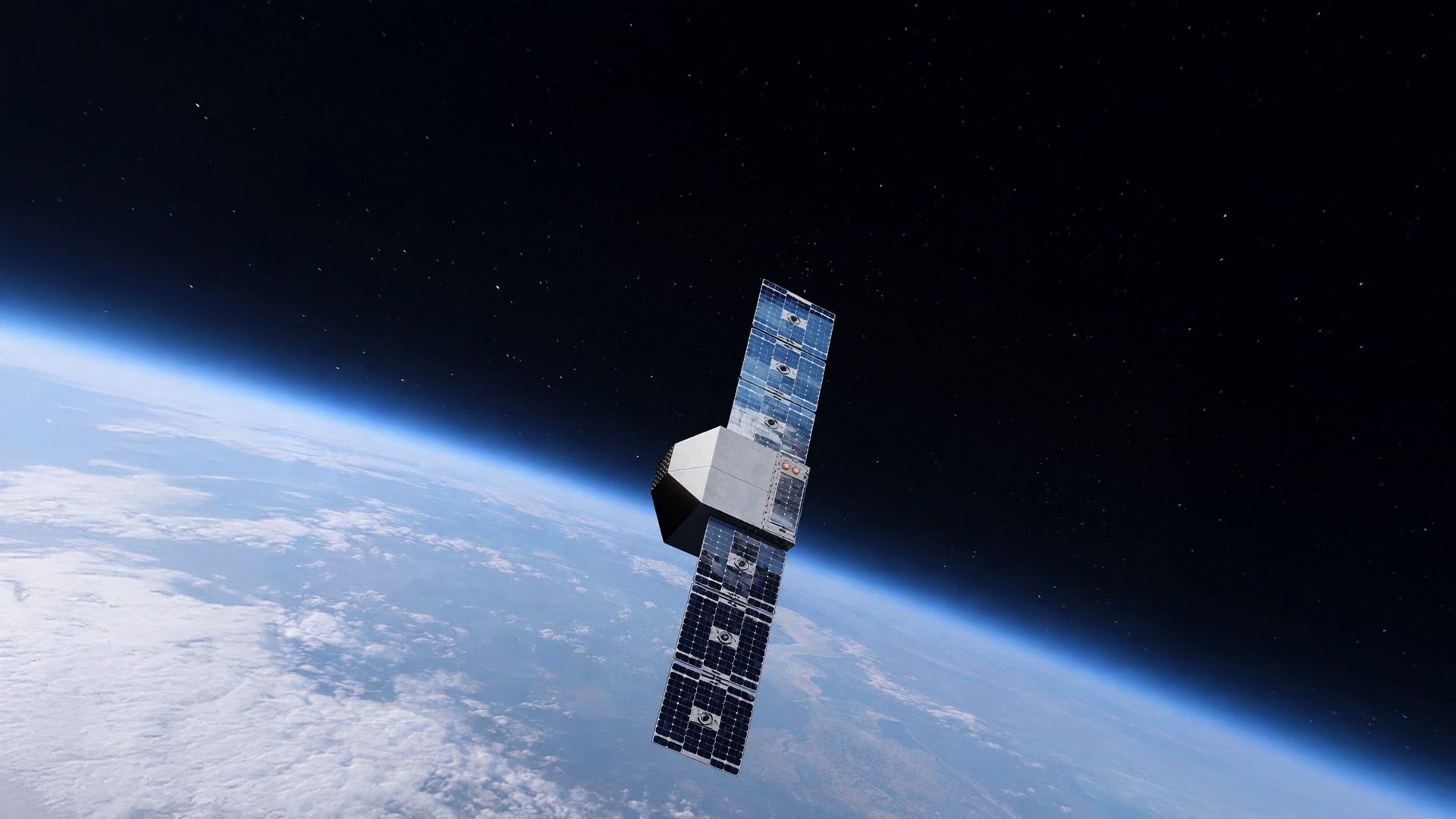
Click for next articleArtist's illustration of a satellite operating in very low Earth orbit.
The technology Kreios Space has been developing is called air-breathing electric propulsion (ABEP).
"Kreios is building the satellites that make sustained operations in very low Earth orbit possible," Kreios Space CEO Adrián Senar said in the Aug. 4 announcement.
Kreios Space chose Lithuanian-based Kongsberg NanoAvionics to provide the satellite bus that will carry the ABEP system into orbit for the test run.
A new, very low frontierSatellites in low Earth orbit (LEO) — altitudes of roughly 100 miles to 1,200 miles (160 to 2,000 km) — generally don't need constant propulsion.