None
EN
Over 4,400 Human Brains Were Found Perfectly Preserved in Skeletons, Now Scientists Know Why
['Melissa Ait Lounis']
The Daily Galaxy –Great Discoveries Channel
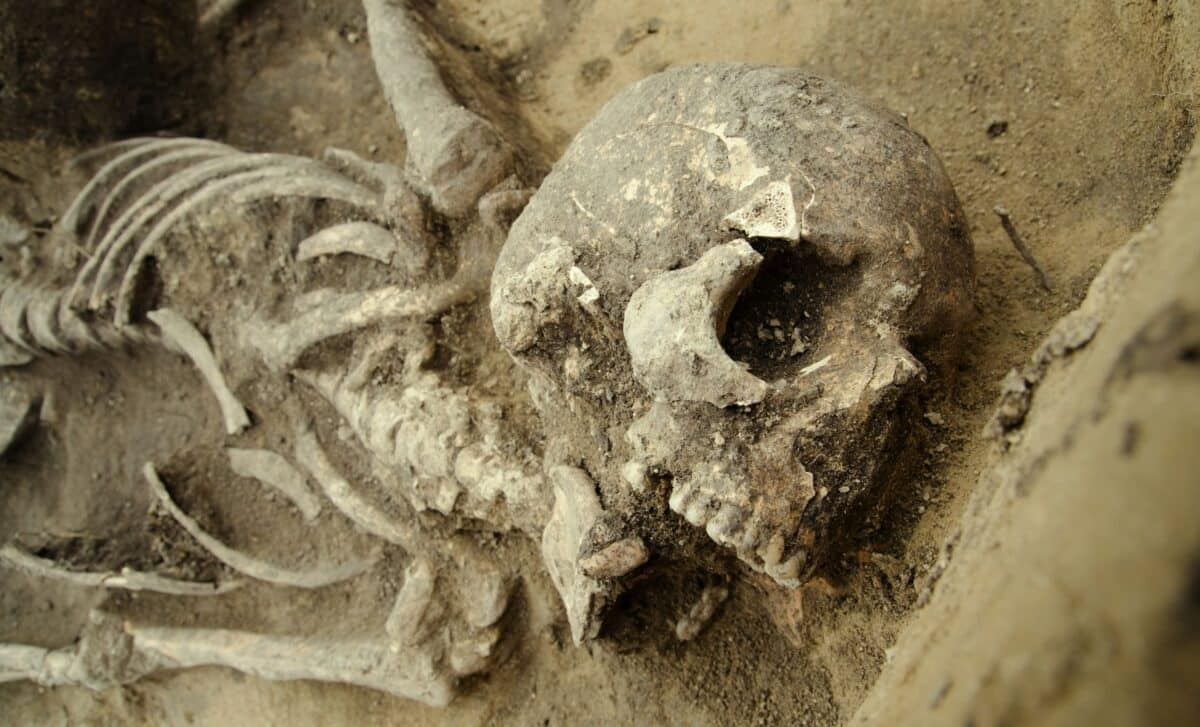
For decades, archaeologists have puzzled over a strange phenomenon: skeletons stripped bare by time, with only one soft and unlikely survivor remaining, the brain.
The mystery, known as the brain preservation paradox, has challenged scientists for years.
More than 4,400 preserved human brains have been documented across 12,000 years of archaeological history, according to earlier research by Alexandra Seviour, a doctoral researcher in paleobiology at the University of Oxford.
What makes the discovery even more remarkable is where these preserved brains are often found.
An adult brain preserved in remarkable condition after being buried in a waterlogged grave in Bristol and coated with clay.