None
EN
Why USB-B Never Caught On Like USB-A Or USB-C
['Kazim Alvi']
SlashGear - Tech, Cars, Gaming, Science, & Reviews
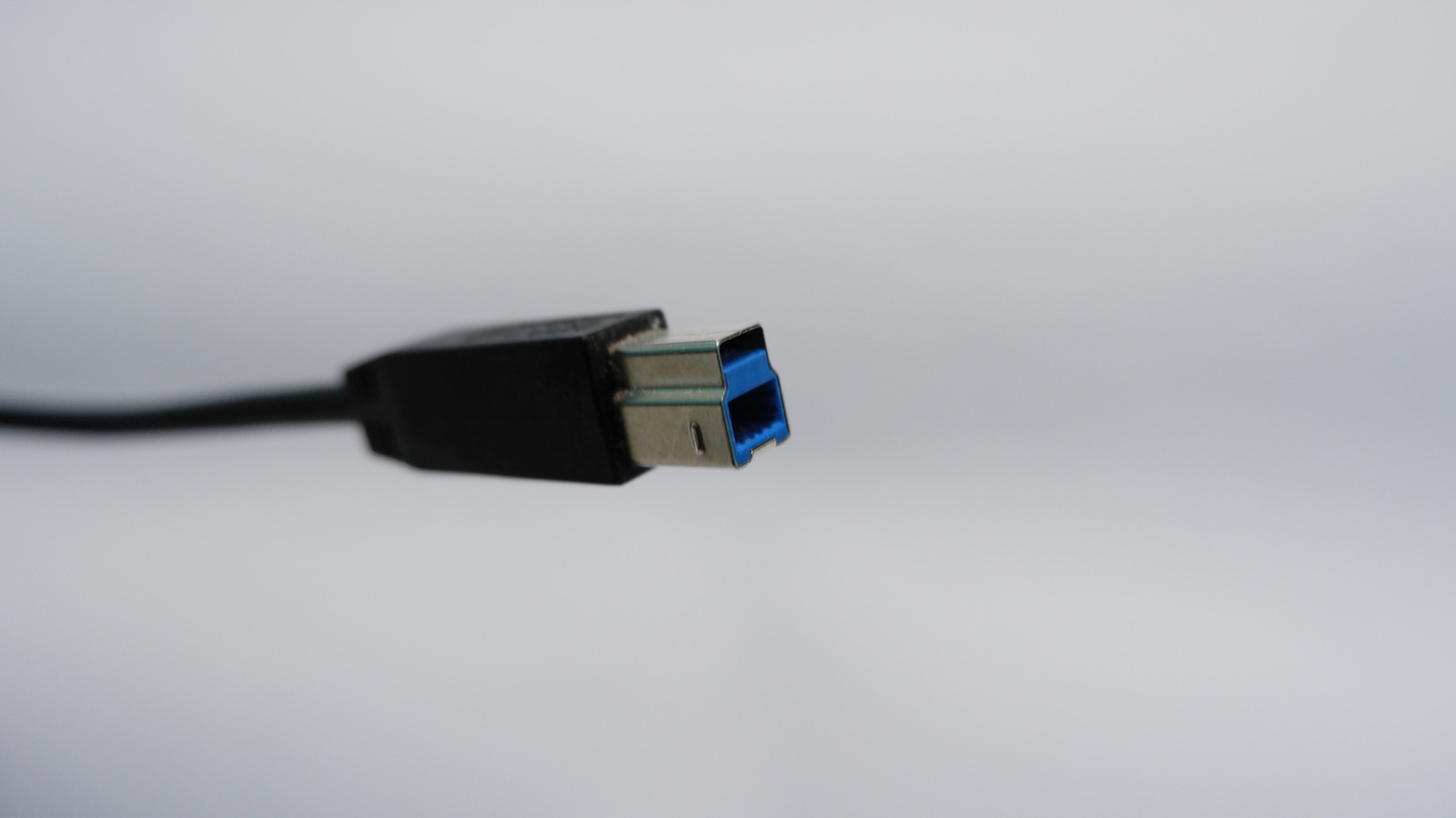
Instead, USB-B connectors were reserved for niche devices like printers, scanners, audio equipment, storage drives, and more.
Let's not forget that USB-B connectors are bulkier than USB-A, which made them unfeasible for devices that prioritized form factor, like laptops and smartphones.
Additionally, the USB-B connector was generally plugged in once and forgotten about, unlike the USB-A connector that was often unplugged and replugged, especially when moving peripherals between different computers.
Objectively, the comparison between USB-B and USB-A or USB-C doesn't make much sense, since the former, USB-A, wasn't necessarily a competitor, and the latter, USB-C, arrived almost 18 years later.
For the unversed, USB-A and USB-B were released together in January 1996, and the two actually worked together.