None
EN
Comment on Stanford Scientists Create 16 Functional AI-Designed Viruses in Lab by henrybowman
['Leslie Eastman', 'The Gentle Grizzly', 'Frank G', 'Ghost Dog', 'Evil Otto']
Comments for Le·gal In·sur·rec·tion | Kamala Harris Compares Trump to a Communist Dictator, Then Endorses Zohran Mamdani
Scientists have now used it to design complete, functional viruses with genomes that have never appeared in nature, which may or may not be a good thing… depending on how this knowledge is used.
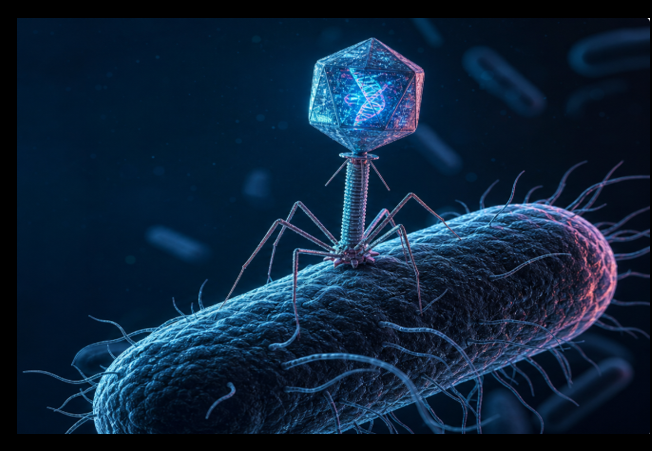
A Stanford University-led team used generative AI models trained on millions of genomes to create bacteriophages, viruses that infect and kill bacteria such as E. coli.
The team synthesized selected AI-generated genomes and introduced them into E. coli, yielding 16 novel and viable phages.
The study demonstrates that AI can design functional viral genomes while retaining the interdependent genetic features needed for a virus to reproduce.
“If the bacteria gain resistance to a single phage, it’s game over for the medication,” Hie told the Stanford website on Thursday.