None
EN
Villagers Seek Restoration of Neglected 700-Year-Old Temple
['V. Shivani Reddy', 'About The Author']
Deccan Chronicle - News Headlines | Today Headlines | Hyderabad News | English News | Top Stories | Breaking news
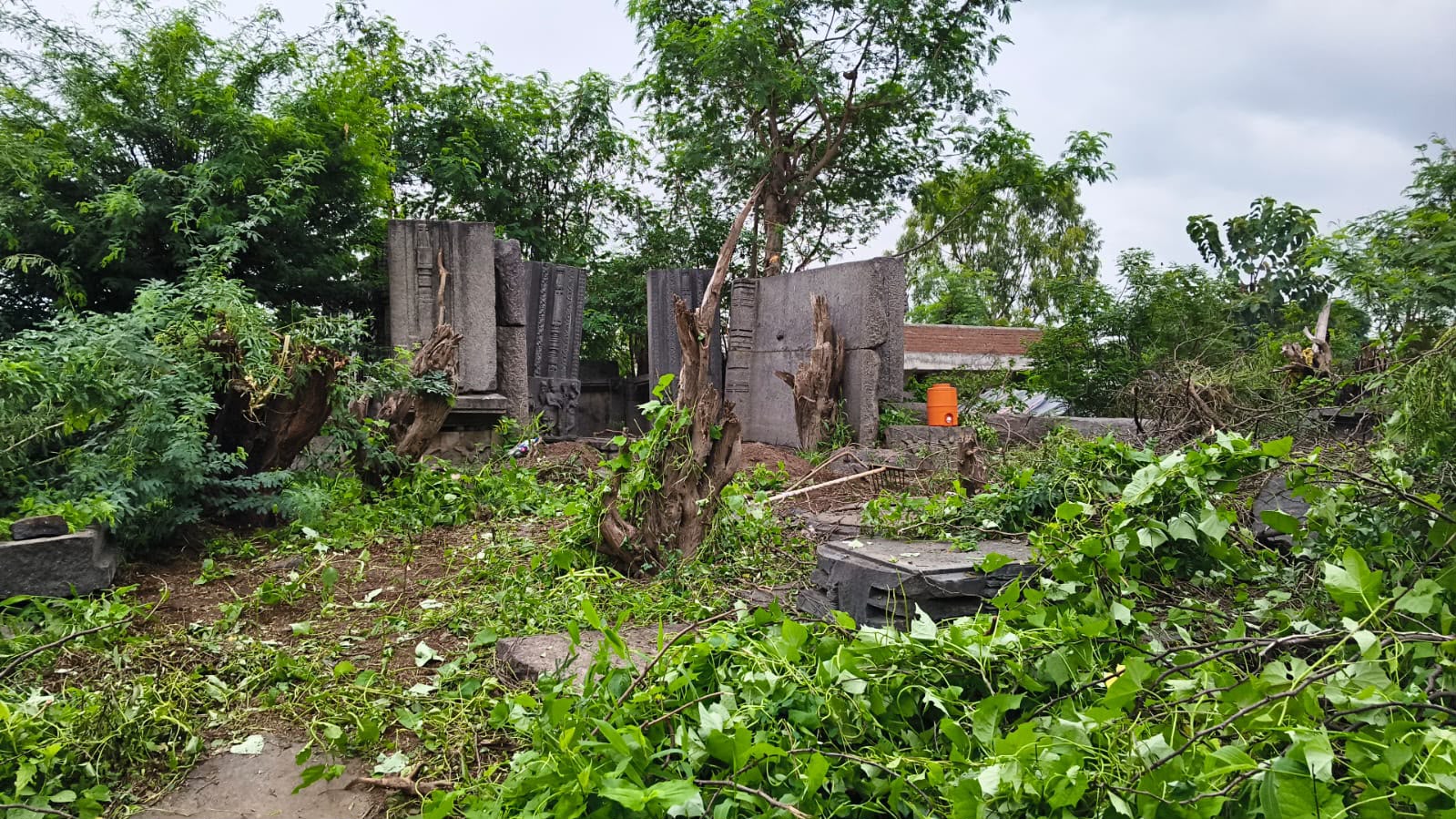
For several years, the temple remained beneath dense vegetation, thorny bushes and debris, leaving its architectural splendour hidden from public view.
To protect their cultural legacy, the villagers voluntarily removed the overgrowth and cleaned the temple premises.
The villagers appealed to the heritage department to undertake the scientific conservation of the monument, documentation, structural conservation, protective fencing, and interpretative signboards.
Villagers said that prolonged neglect had turned the temple premises into a location for illegal and antisocial activities.
Historians believe that Chounda Senani subsequently constructed the Chounda Samudram irrigation tank in his native village and built a magnificent temple.