None
EN
Scientists say wayward SpaceX rocket hit the moon
['Aug', 'Trisnadi', 'Niniek Karmini', 'Aap Newswire', 'Nelson Bocanegra', 'Julia Symmes Cobb', 'Riverine Herald', 'Jemma Jones', 'Louie Cina', 'Christian Marchetti']
Riverine Herald Feed
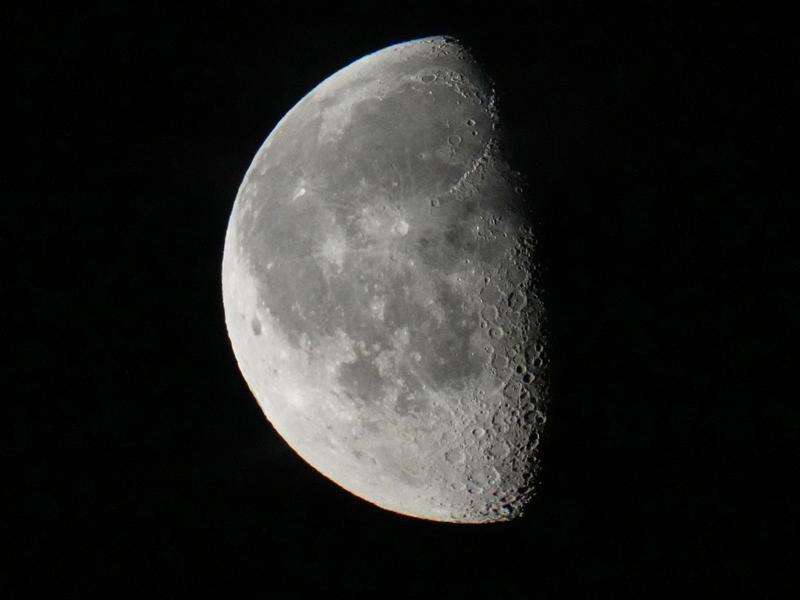
Weighing 4000kg, the rocket body had been due to hit the moon about 4.35pm AEST on Wednesday, travelling at 8690km/h.
"There's no doubt in my mind" that the rocket "is now in teeny, little pieces scattered over the moon near Einstein Crater," McDowell told the Associated Press.
Dutch scientist Marco Langbroek was among those aiming his telescope at the moon at the appointed time but he came up empty.
Like McDowell, Langbroek said he had "no doubt" the rocket met its doom.
Visual confirmation, McDowell noted, will have to wait for NASA's Lunar Reconnaissance Orbiter to fly over the crash scene and send back photos of the impact crater.