None
EN
Whoopsie! A SpaceX Rocket Accidentally Crashed Into the Moon.
['Darren Orf']
Latest Content - Popular Mechanics
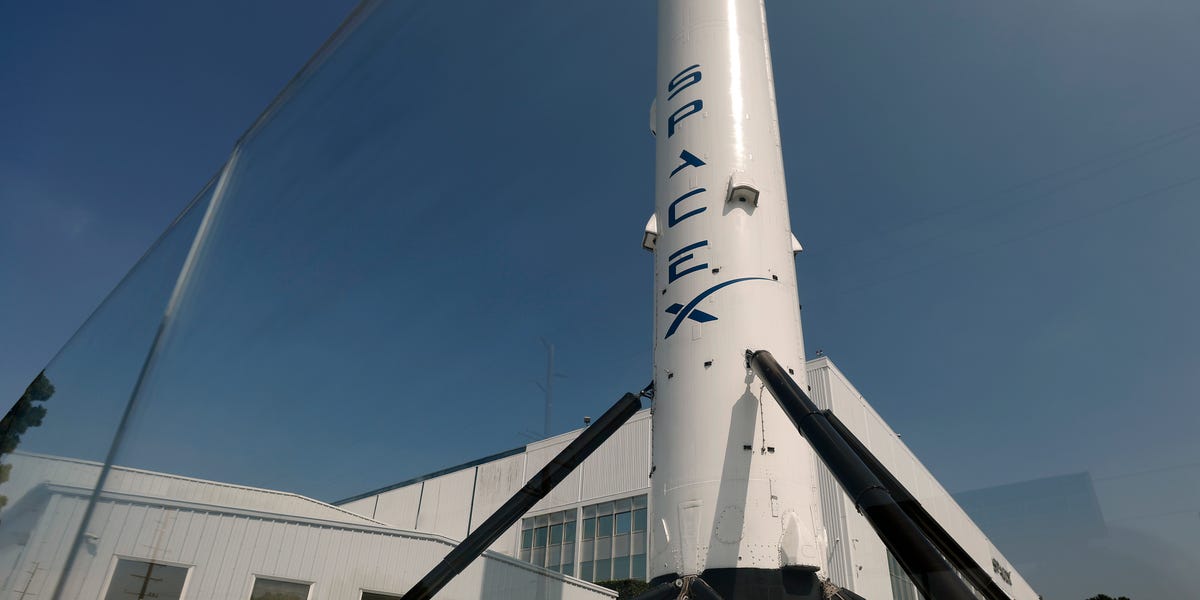
Scientists learned back in April that the five-story-tall, 400-ton second stage was destined for lunar impact and even calculated the date, time, and location of the inevitable crash.
Because the lunar mission required more thrust than other SpaceX launches closer to Earth, the second stage didn’t burn up in Earth’s atmosphere or plunge into the ocean.
This isn’t the first time a rocket stage has crashed into the Moon.
In 2009, for example, NASA intentionally crashed a rocket stage into the lunar South Pole to study the dust kicked up from the impact.
According to , simulations of the rocket stage creating an observable dust cloud relied on the piece of rocket maintaining a vertical orientation, but it’s possible the stage sort of “belly-flopped” into the Moon.