None
ES
UAB awards grants to study atherosclerosis advancement and MYC-driven cancers
['Wesley Walter', '.Wp-Block-Co-Authors-Plus-Coauthors.Is-Layout-Flow', 'Class', 'Wp-Block-Co-Authors-Plus', 'Display Inline', 'Sourceurl Https', 'Www.Alreporter.Com Wp-Content Plugins Co-Authors-Plus Build Blocks Block-Coauthors Style-Index.Css', '.Wp-Block-Co-Authors-Plus-Avatar', 'Where Img', 'Height Auto Max-Width']
Alabama Political Reporter
“We’re trying to figure out what drives the buildup of this type of cell in old age, and how granzyme K may be driving atherosclerosis.”
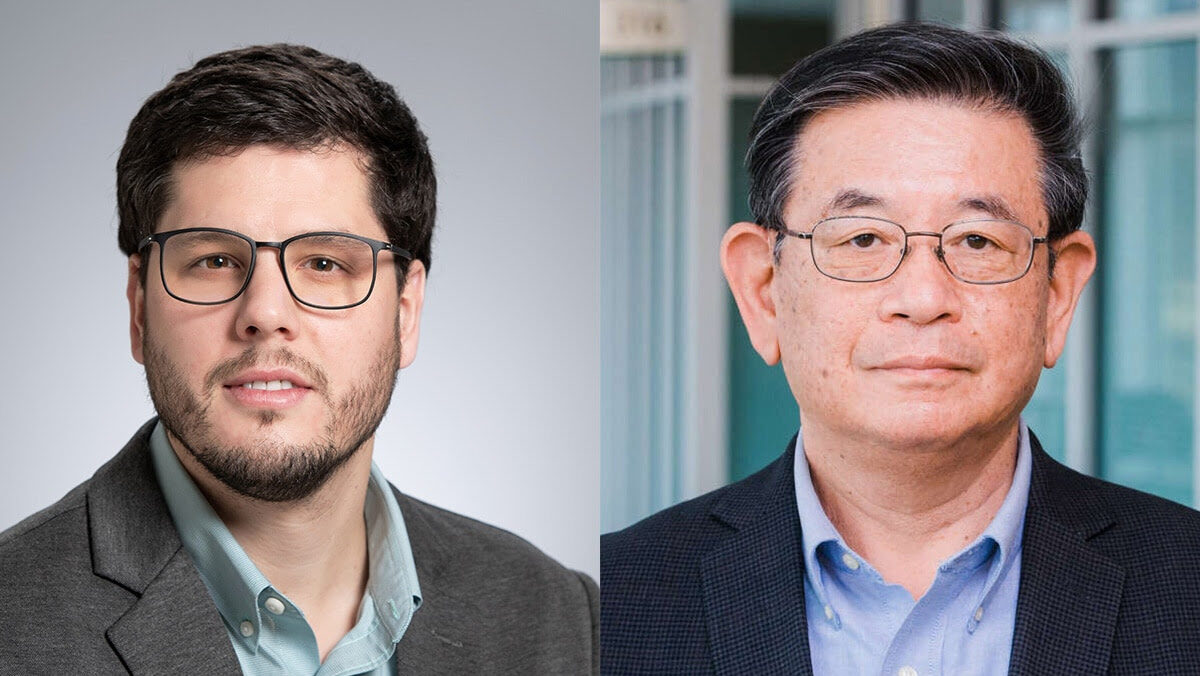
Tyrrell’s team will use laboratory and animal models to examine what causes the cells to accumulate and how granzyme K may contribute to atherosclerosis.
“We want to determine what drives the accumulation of age-associated T cells in old age and how granzyme K may be driving atherosclerosis.”
Ding receives $1.9 million to study MYC-driven cancersHan-Fei Ding, the Gene P. Siegal Endowed Professor in the Division of Molecular Pathology, received $1.9 million from the National Cancer Institute for a project examining MYC-driven cancers.
MYC-driven cancers account for more than half of human cancers and are a major cause of death.