None
EN
Horseshoe crab blood is valuable for health research, but groups claim N.J. falls short of protecting species
['Michael Tanenbaum', 'Phillyvoice Staff']
PhillyVoice
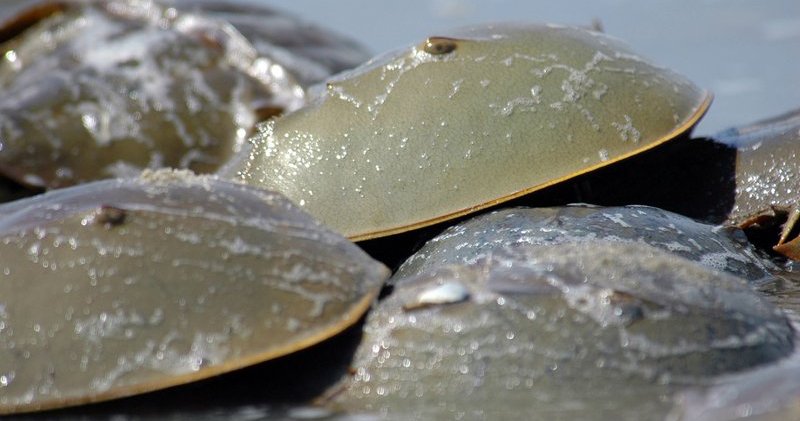
A battle over conservation methodsThe earliest horseshoe crabs trace back more than 445 million years in the fossil record.
Blood from horseshoe crabs contains a unique clotting feature that can be used to rapidly detect bacterial contaminants called endotoxins.
For decades, biomedical researchers and pharmaceutical companies have used horseshoe crab blood to test the purity of intravenous drugs, vaccines and medical devices.
Zimmerman contends the benefits of harvesting horseshoe crab blood outweigh the risks.
"On one beach you'll have all these horseshoe crab lovers coming out to flip over horseshoe crabs to make sure to save them from death.