None
EN
Citizen’s Ledger: Why Odisha Must Shift From Cash Drops To ‘Cash-Plus’ Growth
['Brijesh Dash', 'Public Policy Essayist']
Odisha Bytes | Latest News & Breaking Updates from Odisha & Beyond
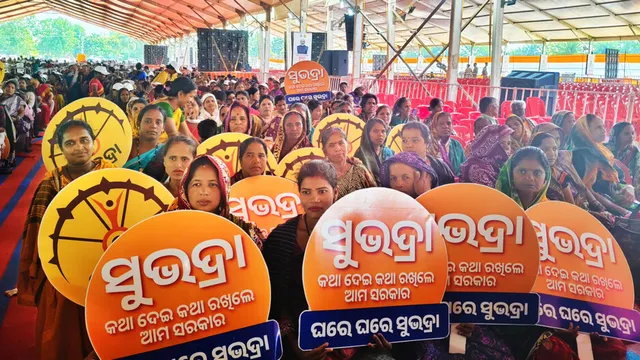
In Odisha, this model is anchored by the Subhadra Yojana, where the administration has finalized a database of 1.01 crore women eligible to receive the fifth consecutive instalment of financial aid.
Supporters of unconditional cash transfers present a compelling counter-argument backed by data.
ADVERTISEMENTHowever, the recent Economic Survey strongly countered this narrative, issuing sharp warnings against the explosive rise of Unconditional Cash Transfers (UCT).
The central bank repeatedly warns that high committed expenditure on subsidies and recurring cash transfers constrains states’ expenditure flexibility, forcing them to borrow to meet operational bills and crowding out capital outlay.
The metric of success must move beyond tracing capital delivery to auditing whether the intervention enables long-term economic self-sufficiency.