None
EN
Monitoring method to avoid pain under anesthesia
['Chi-Hung Lin']
healthcare in europe
Traditionally, these adjustments rely largely on indirect physiological indicators such as heart rate, blood pressure, pharmacological models, and clinical experience.
However, because patients respond differently to surgery and anesthetic drugs, these measures cannot always accurately reflect how the brain is processing pain.
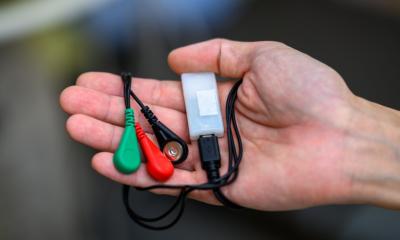
The study was made possible through a lightweight wearable EEG system developed by Professor Terry B.-J.
According to Kuo, the system allows individualized, real-time assessment of brain activity, providing anesthesiologists with an objective reference when determining whether additional anesthetic or analgesic medication is needed.
Such precision may help reduce the risk of intraoperative awareness, postoperative delirium, and potential long-term cognitive decline—particularly among elderly patients and other high-risk surgical populations.