None
EN
Comment on The Great Myths 11: Biblical Literalism by Nicholas Aggelopoulos
["Tim O'Neill"]
Comments for History for Atheists
On the score of priorities, Nicholas himself is firm, the literal sense comes first … But therein lies the point.
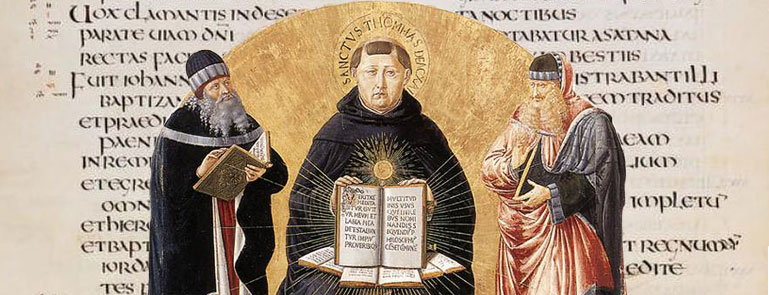
As the literal interpretation was defined by Thomas as the whole intention of the inspired author, it made no difference how he expressed himself, whether historically, symbolically or metaphorically.
The literal sense was not a figure of speech, but the content.
The modern form of biblical literalism as I said at the beginning only arose in the nineteenth and twentieth centuries.
The four senses meant that biblical literalism of the type seen today could not have arisen, because the literal sense was always countered by the other three, and literalism in the Middle Ages was very different from modern literalism as we saw.