None
EN
OECD: Physical labor isn’t immune from AI disruptions
['More This Author', '.Wp-Block-Co-Authors-Plus-Coauthors.Is-Layout-Flow', 'Class', 'Wp-Block-Co-Authors-Plus', 'Display Inline', '.Wp-Block-Co-Authors-Plus-Avatar', 'Where Img', 'Height Auto Max-Width', 'Vertical-Align Bottom .Wp-Block-Co-Authors-Plus-Coauthors.Is-Layout-Flow .Wp-Block-Co-Authors-Plus-Avatar', 'Vertical-Align Middle .Wp-Block-Co-Authors-Plus-Avatar Is .Alignleft .Alignright']
The United Nations attempt to regulate AI could complicate enterprise compliance – Computerworld
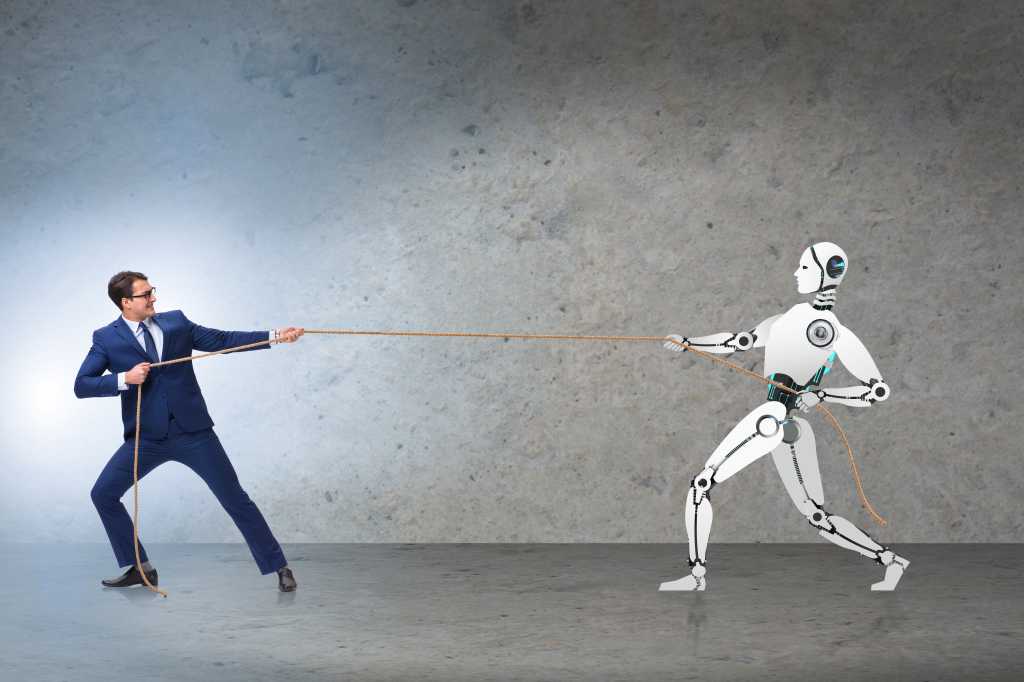
Jobs involving physical labor are at high risk of disruption from automation, with new technologies such as AI robots becoming more prevalent, according to a recent study by the Organization for Economic Co-operation and Development (OECD).
That means workers in construction and extraction, farming, fishing, forestry, production and material transportation could be affected by fast-moving technology changes.
“Routine and low-skilled jobs are at higher risk,” the Paris-based public policy group said, adding that “overall, jobs requiring non-routine cognitive, social and creative skills are less susceptible to automation.”
The kinds of creative and cognitive jobs still thought to be less exposed to automation include social work and community service roles.