None
NO
Comment on Watch Errol Morris’s Tune Out the Noise Free Online: A Documentary About the Financial Revolution That Transformed Investing by Denys Finney
['Colin Marshall']
Comments for Open Culture
That, at least, is the advice we all encounter early on when first we try our hand at investing.
Homespun though it may sound, the idea has academic roots: the Efficient Market Hypothesis, as the economists call it, holds that the prices in any financial market already reflect all available information relevant to what’s being traded within them.
In the case of the stock market, for example, everything known — or indeed, knowable — about the future prospects of a particular company is already incorporated into its stock price, or might as well be.
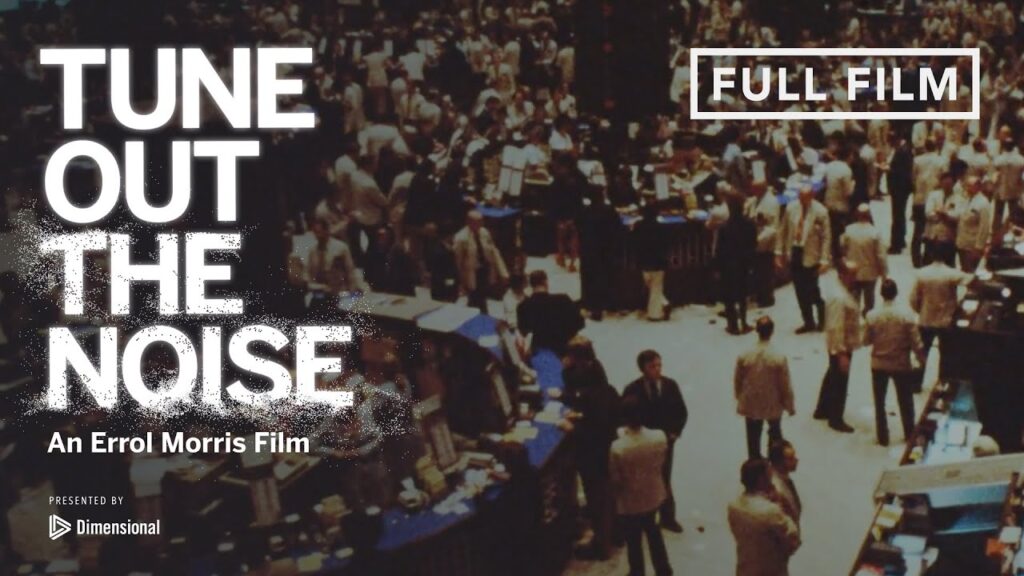
All this may not sound like the usual terrain of Errol Morris, whose previous documentaries have profiled everyone from pet cemetery operators to former U.S. secretaries of defense to Stephen Hawking.
After all, most any field has some connection to the inexhaustible subject of how we know, what we know, and what we can’t know.