None
EN
Op-ed: The GERD reality: Facts, fairness, and the future of the Nile
['Washington Diplomat', '.Wp-Block-Co-Authors-Plus-Coauthors.Is-Layout-Flow', 'Class', 'Wp-Block-Co-Authors-Plus', 'Display Inline', '.Wp-Block-Co-Authors-Plus-Avatar', 'Where Img', 'Height Auto Max-Width', 'Vertical-Align Bottom .Wp-Block-Co-Authors-Plus-Coauthors.Is-Layout-Flow .Wp-Block-Co-Authors-Plus-Avatar', 'Vertical-Align Middle .Wp-Block-Co-Authors-Plus-Avatar Is .Alignleft .Alignright']
Washington Diplomat
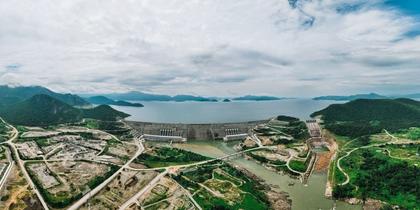
concrete, turbines and flowing water, GERD represents a national ethos, as well as a vision of dignity, self-reliance and equitable utilization of a shared resource.
The Abbay River, known to the rest of the world as the Blue Nile, is Ethiopia’s most abundant and strategic water resource.
Although the Abbay River contributes 86% of the Nile’s water, Ethiopia has been unable to harness this asset to address its own needs—until now.
With a capacity of 5.15 gigawatts and annual production potential of nearly 15,760 gigawatt-hours, GERD will more than double Ethiopia’s energy output.
The Nile River Basin is undergoing a transformation.
['future'
'ethiopia'
'river'
'energy'
'dams'
'egypt'
'oped'
'facts'
'sudan'
'gerd'
'ethiopias'
'fairness'
'reality'
'nile'
'water']