None
EN
Tunisians remember the Israeli strike that bound their fate with Palestinians 40 years ago
[]
KSTP.com 5 Eyewitness News
HAMMAM CHOTT, Tunisia (AP) — Jamel Bahrini remembers the smell of dust and blood that clung to the air when he arrived at the scene of the strike in Tunisia ‘s capital 40 years ago, among hundreds of other first responders.
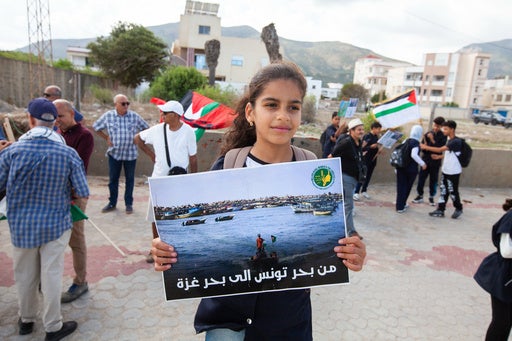
Bahrini was among the Tunisians at a recent commemoration ceremony who said the attack looms large in their memories.
The strike still shapes Tunisian perceptions of Israel and serves as a touchstone connecting them to Palestinians in the two-year war in Gaza.
To reach the site of the attack in the town of Hammam Chott, Israeli jets required multiple in-air refueling and careful route planning to avoid detection by radar over friendly territories.
But in Hammam Chott, Tunisians see the attack as a turning point, when their ties to the Palestinian struggle became deeply personal.