None
EN
This chip uses light to supercharge AI and cut energy use
['H. Yang', 'University Of Florida', 'Pranjal Is A Seasoned Science Writer With A Passion For Transforming Complex Scientific Ideas Into Clear', 'Compelling Stories. Her Interests Span Astronomy', 'Emerging Technologies', 'The Broader Frontiers Of Science. Her Work Has Appeared In Platforms Such As Tech Explorist', 'Inceptive Mind', 'Covering Everything Groundbreaking Inventions To Cosmic Phenomena.']
New Atlas - New Technology & Science News
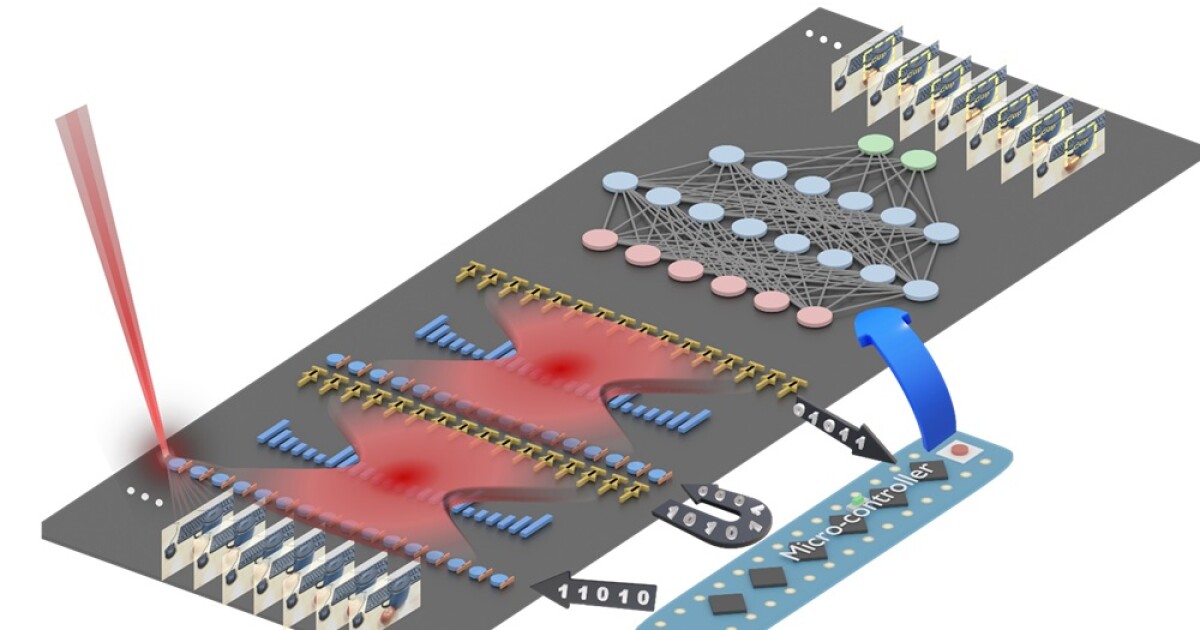
To tackle the growing energy demands of AI, researchers at the University of Florida have built something dazzling.
Their new chip, called a photonic joint transform correlator (pJTC), swaps electricity for light to handle one of AI's most power-hungry jobs.
"In the near future, chip-based optics will become a key part of every AI chip we use daily," Sorger suggested.
"And optical AI computing is next."
It means this tiny, energy-smart chip could supercharge AI across the board, from nimble edge devices and high-performance computing rigs to sprawling cloud services.