None
EN
Parkinson’s ‘trigger’ directly observed in human brain tissue for the first time
[]
University of Cambridge - Latest news
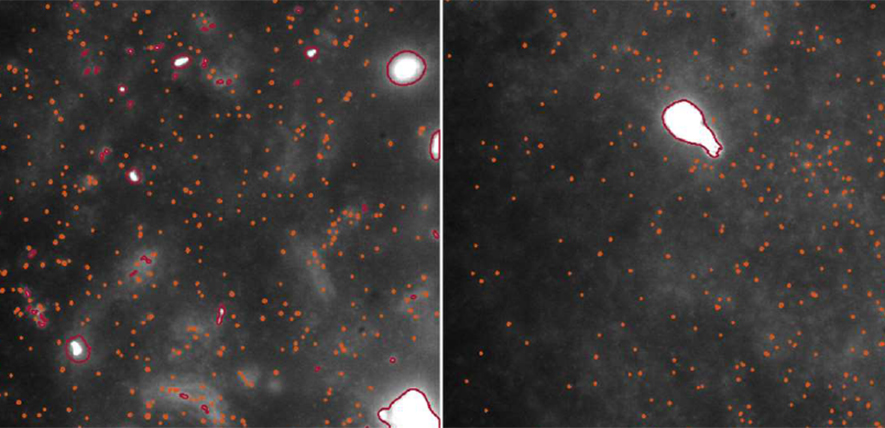
These tiny clusters, called alpha-synuclein oligomers, have long been considered the likely culprits for Parkinson’s disease to start developing in the brain, but until now, they have evaded direct detection in human brain tissue.
Around 166,000 people in the UK live with Parkinson’s disease, and the number is rising.
“It opens new doors in Parkinson’s research.”The team examined post-mortem brain tissue samples from people with Parkinson’s and compared them to healthy individuals of similar age.
The researchers thank the patients, families and carers who donated tissue to brain banks, enabling this work to happen.
‘Large-scale visualisation of α-synuclein oligomers in Parkinson’s disease brain tissue.’ Nature Biomedical Engineering (2025).