None
IT
Find out more as expert chart path to clean energy cooking in Nigeria
['Dave Ibemere']
Legit.ng
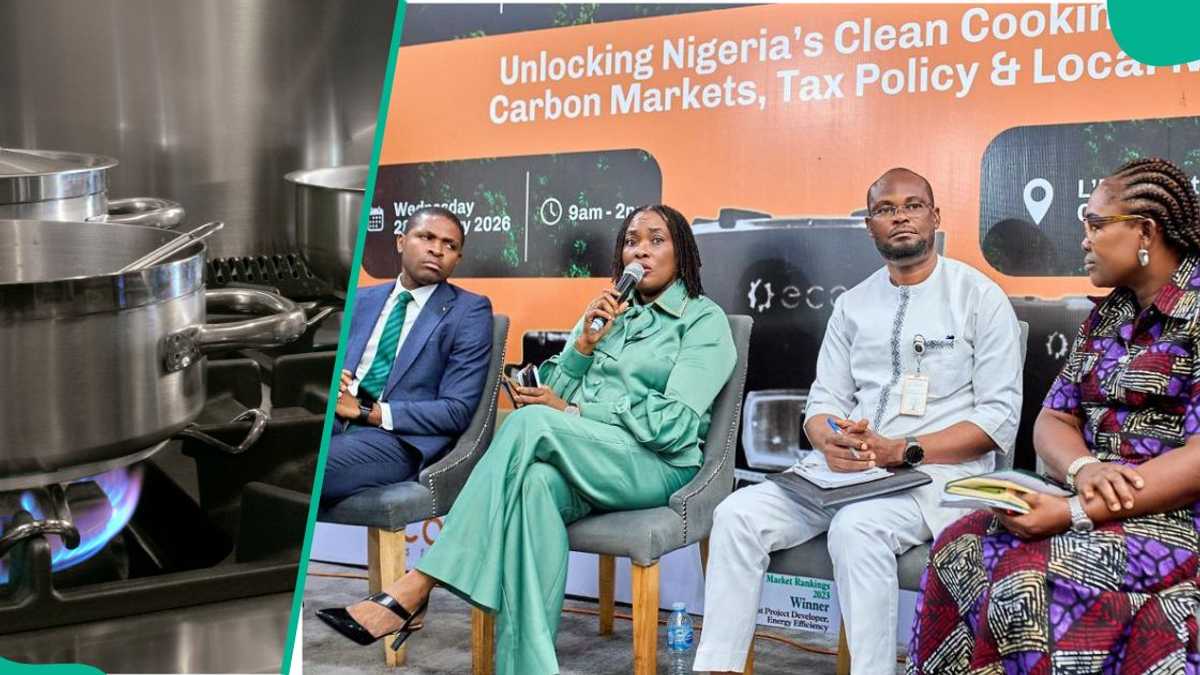
Experts urge government to recognise clean cookstoves as essential goods.
We welcome the government’s leadership in putting policy frameworks in place that support credible carbon markets and clean energy investment.
Panelists argued that clean cookstoves continue to face import duties and VAT, even when locally produced, while dirtier fuels benefit from long-standing subsidy structures.
By the end of the session, consensus had emerged that Nigeria’s clean cooking barriers are no longer technical.
This is under the largest clean cooking initiative - the 80m PACM (Paris Agreement Crediting Mechanism) Clean Cookstoves Project, - and will further the drive for clean energy and environmental sustainability and promote eco-friendly cooking solutions in Nigeria.