None
EN
Scientists 'Surprised' to See Some Polar Bears Getting 'Fatter and Healthier' amid Ice Loss
['Charlotte Phillipp', 'Charlotte Phillipp Is A Weekend Writer-Reporter At People. She Has Been Working At People Since', 'Was Previously An Entertainment Reporter At The Messenger.', 'People Editorial Guidelines', 'Gabrielle Rockson', 'Rachel Raposas', 'Kimberlee Speakman', 'Moná Thomas', 'Escher Walcott', 'Desiree Anello']
People.com | Celebrity News, Exclusives, Photos and Videos
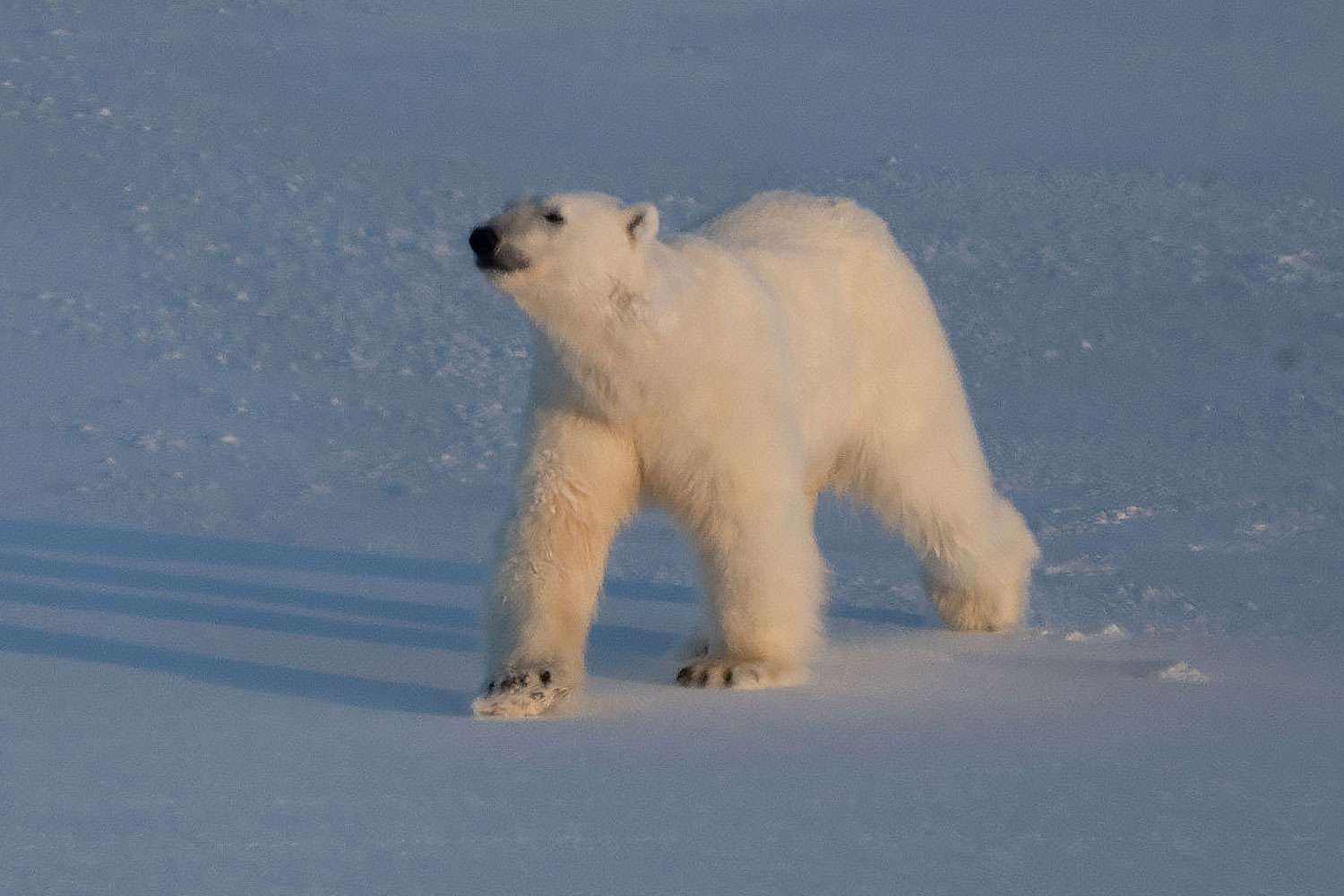
According to the scientist, some of the 2,650 polar bears in Svalbard have adapted to the receding ice by turning to land-based food sources.
"I was quite surprised, because we have lost so much sea ice since I started," said Aars, who began researching polar bears in 2003.
A male polar bear bear walks on the sea ice near glaciers in eastern Spitzbergen, in the Svalbard archipelago, on April 9, 2025.
According to Aars, much more research is needed to understand how other polar bears are adapting to climate change — and scientists are still unsure whether the polar bears of Svalbard can maintain their reindeer- and walrus-based diet.
"The bad news is that predictions [are that] we're going to lose sea ice fast in Svalbard."