None
EN
The last masters: The international effort to preserve an ancient craft
['Daphne Koller', 'Founder', 'Ceo Of Insitro.', 'Adam Grant', 'Organizational Psychologist', 'Will Guidara', 'Restaurateur', 'Author', 'Paula Pant', 'Host']
Big Think
Tangible cultural heritage consists of physical elements, like monuments, artifacts, and historic sites, while intangible cultural heritage consists of intellectual elements, like customs, traditions, and languages.
In 2003, UNESCO — a United Nations agency focused on promoting world peace through international education, science, culture, and communication — adopted the Convention for the Safeguarding of the Intangible Cultural Heritage, an international treaty designed to help preserve intangible cultural heritage.
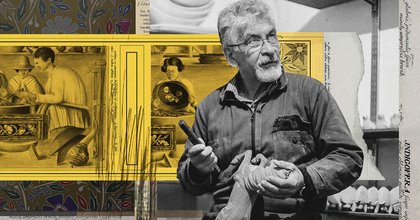
One was working with the nonprofit Mundo Espiral Foundation to establish a Pasto Varnish apprenticeship program that paired 55 apprentices with experienced mopa-mopa harvesters, wood masters, and varnish masters.
They also created a 100-hour learning-by-doing methodology for Pasto Varnish using cell phone photos and videos provided by masters of the craft.
Still, nothing can match person-to-person transmission when it comes to keeping intangible cultural heritage alive, according to Ohinata.