None
EN
Chip stress-tests blood cells to see if donated blood is still good enough
['Xiaoyun Ding', 'Originally Ukraine', 'Now Based In Edmonton', 'Canada', 'Maryna Is A Freelance Writer With A Passion For Storytelling', 'Consumer Technology', 'Sports Wellness', 'Sustainable Urban Living', 'Travel', 'Architecture. She Holds A Master S Degree In Linguistics Taras Shevchenko National University In Kyiv']
New Atlas - New Technology & Science News
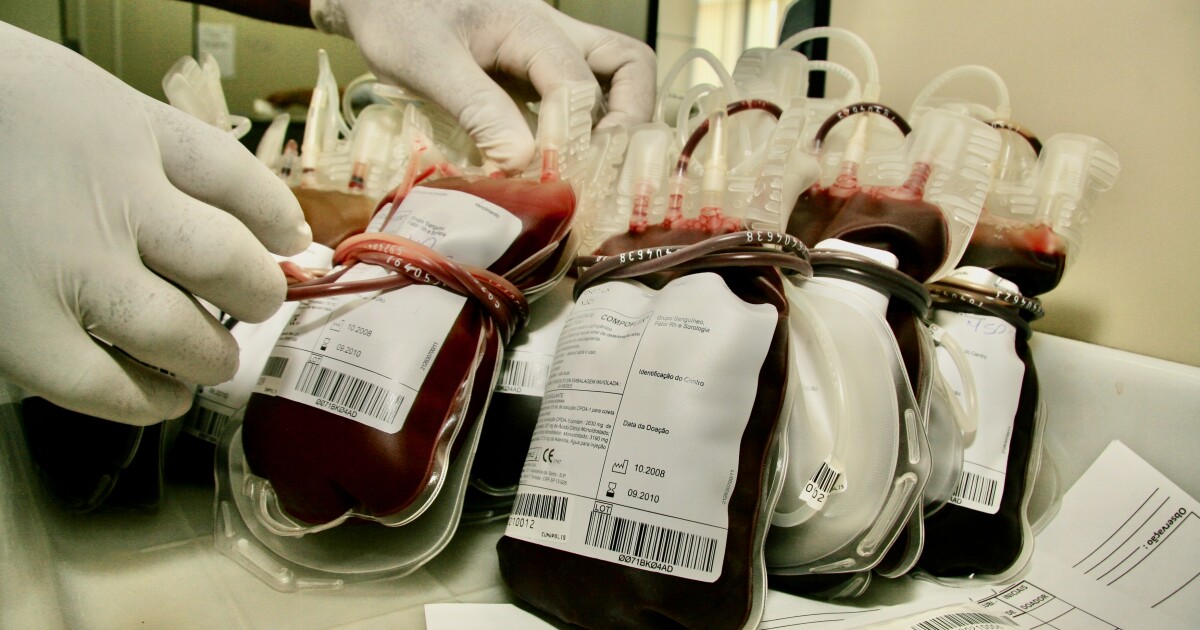
After a donation, plasma and white blood cells are separated from red blood cells, which are the most commonly transfused blood product.
In most countries, red blood cells can be stored under refrigeration – as a liquid solution – for up to 42 days.
Over time, red blood cells undergo structural changes: their membranes become weaker, and harmful metabolic by-products build up.
It’s essentially a tiny stress test for blood cells: the faster they break, the less healthy the blood is.
Without the acoustic vibrations, donor-specific differences in red blood cells were not possible to detect.