None
EN
Study: Farm waste could lock away carbon for decades
['Agdaily Reporters']
AGDAILY
Rather than releasing carbon back into the atmosphere within months, these materials can store it for decades.
Unlike conventional carbon accounting methods, the analysis tracks when carbon is released or stored over time, revealing how timing can significantly change the climate impact.
While around 4.4 billion tonnes of agricultural residues are generated each year, only a small fraction is used in long-lived applications.
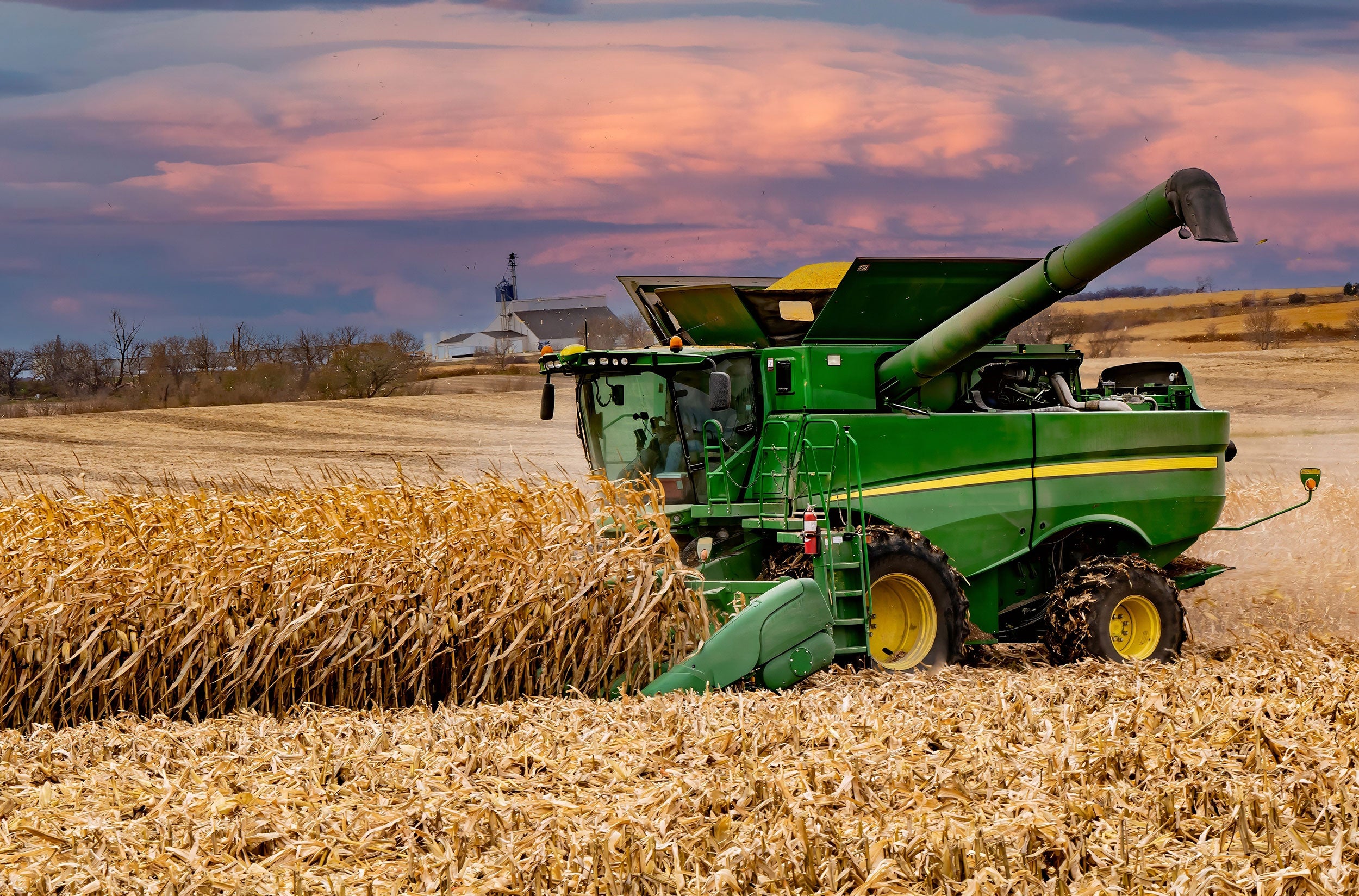
“Each year, large volumes of agricultural residues are burned or left to decompose, returning carbon to the atmosphere within a short time,” he said.
“Our research shows that if these fibers are redirected into long-lived building materials, they can store carbon for decades and produce a measurable cooling effect.