None
EN
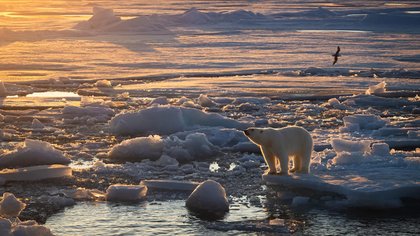
Polar bears in the Barents Sea are staying fat despite rapid sea ice loss
['Rebecca Dzombak', 'Jake Buehler', 'Tina Hesman Saey', 'Javier Barbuzano', 'Alessio Cozzolino', 'Carolyn Gramling', 'Emily Conover', 'Maria Temming', 'Hours Ago', 'Laura Sanders']
Science News
But loss of sea ice is one of the biggest threats to all polar bears.
The island is in the Barents Sea, which has some of the most extreme sea ice loss in the Arctic.
Researchers are interested in polar bears living on Svalbard because the relationship between sea ice and fat loss should be strong.
The team analyzed sea ice levels and body fat of 770 adult polar bears using data from 1995 to 2019.
Even though the area lost about 100 days of sea ice cover, the polar bears, on average, gained fat.