None
EN
Nigeria’s clean cooking challenge goes beyond stoves – BURN
['Mubarak Bankole']
Technext
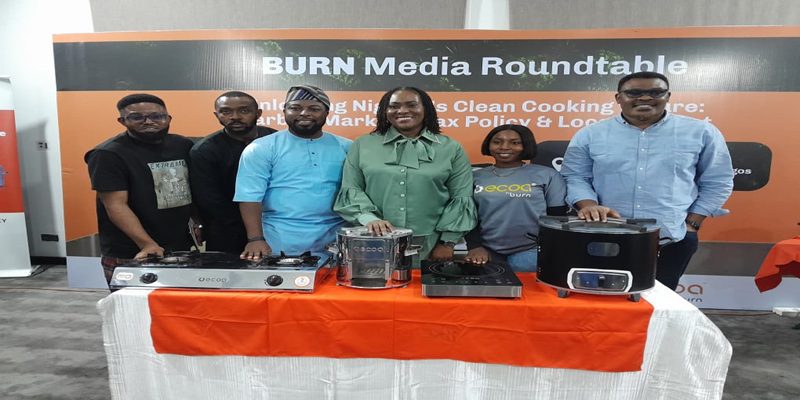
Nigeria’s transition to clean cooking solutions is gaining momentum, and Wednesday’s media roundtable in Lagos made one thing clear: achieving the country’s 2030 universal clean cooking target will require more than just distributing stoves.
The session, themed Unlocking Nigeria’s Clean Cooking Future: Carbon Markets, Tax Policy and Local Markets is aimed at discussing how carbon finance, tax incentives, and manufacturing standards can accelerate the adoption of clean cooking technologies across Africa’s most populous nation.
Why clean stoves struggle to competeOne of the clearest threads across the panel was affordability, not just for consumers, but for manufacturers too.
BURN’s assembly plant in Kano StateBy the end of the roundtable, one thing was clear: Nigeria’s clean cooking challenge isn’t technical anymore.
For Nigeria, it means deciding whether clean cooking remains a niche intervention or becomes the default for millions of households still cooking over open fires.