None
EN
Critical moment when El Niño started to erode Russia's Arctic sea ice discovered
['Skyler Ware', 'Live Science Contributor', 'Social Links Navigation']
Latest from Live Science
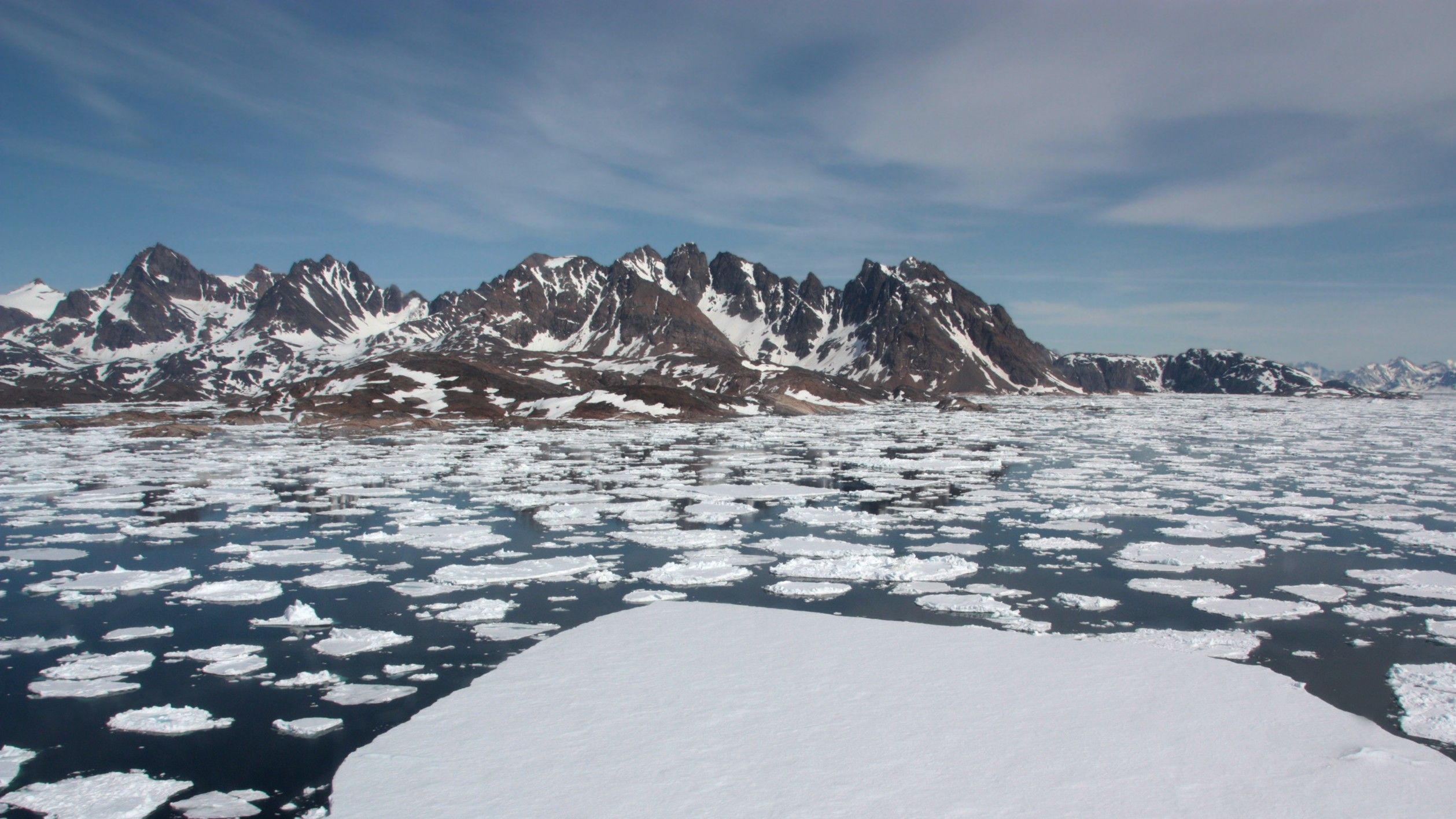
Scientists have identified a tipping point that has amplified El Niño’s effect on sea ice loss in the Arctic.
For years, researchers have known of a feedback loop linking the El Niño-Southern Oscillation (ENSO) and sea ice coverage at high latitudes.
These changes lead to warmer, wetter weather in the region and less sea ice coverage during the fall following the transition.
The results of the new study could help improve predictions of sea ice coverage for ships passing through the region.
The team combed through monthly data on sea surface temperatures and sea ice concentration that were collected between 1979 and 2023 to find patterns between ENSO transitions and sea ice coverage the following year.