None
EN
What’s next for Japan’s Unesco-recognised drinks industry?
['Michael Huband']
The Drinks Business
Thus, while 2025 was another year in a tradition that stretches back centuries, it was a particularly significant one for Japan’s drinks industry.
Inclusion on the list has, however, emphasised that Japan’s practice of sake-making with koji mould is unique in the world.
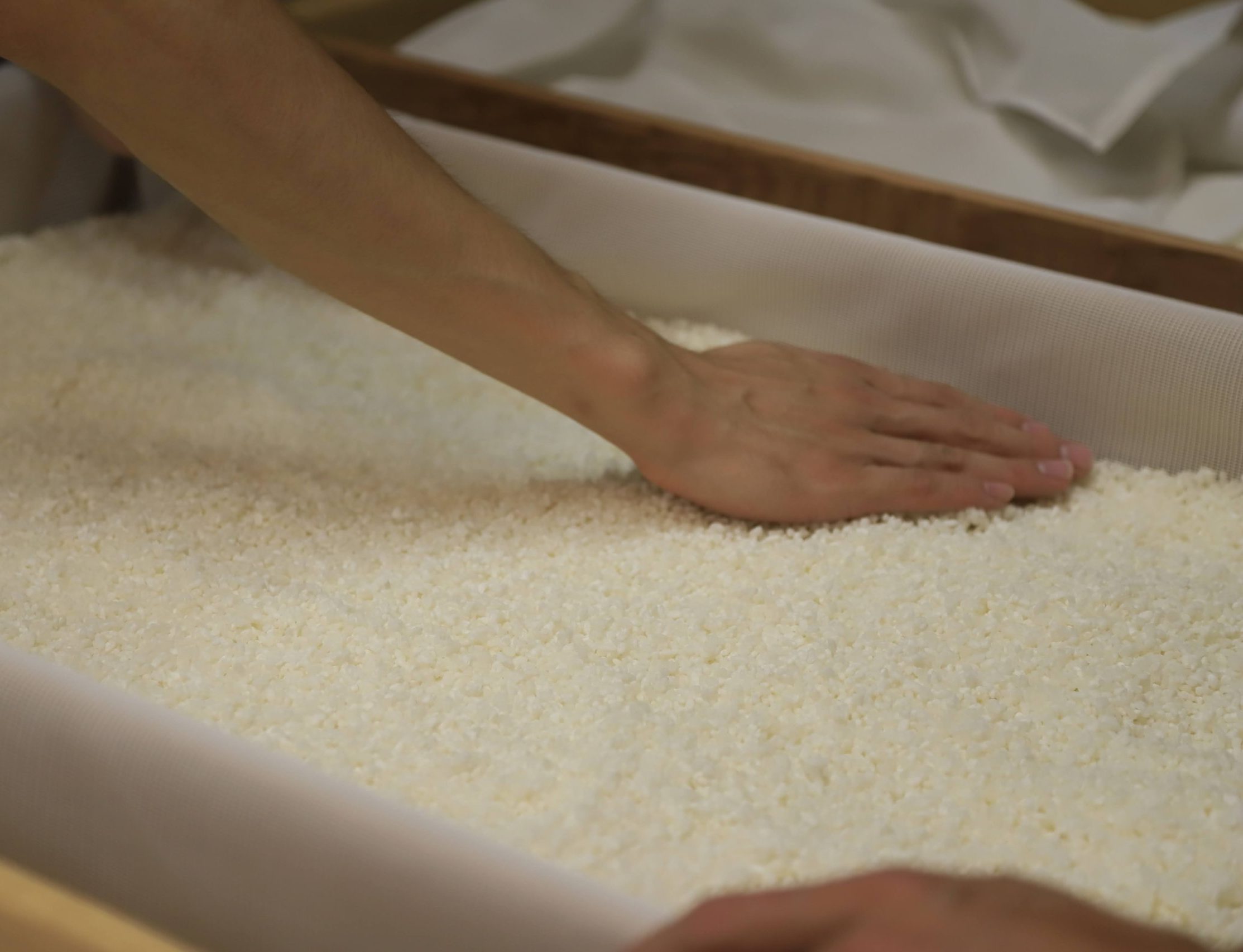
Aspergillus oryzae (yellow koji mould) is mainly used for the production of Japanese sake; it grows on steamed rice to produce rice koji (koji mould cultivated on steamed rice), which can then be fermented.
Banding togetherThe emergence of the tane-koji industry confirms another important facet of sake-making with koji mould: it has built up a unique industry and culture.
In inscribing the knowledge and skills of sake-making with koji mould, Unesco has recognised the inheritance of the sake industry.