None
RO
Rattlesnakes Can Act As Seed Dispersers Study Says
['John Virata']
Reptiles Magazine
In lieu of wild seed eating rodents, of which there are restrictions upon and may carry disease, the researchers used frozen thawed lab rodents.
Following the feedings, the seed laden poop was collected and stored in plastic bags in the dark, at room temperature of 19-22 degrees Celsius.
Each poop bag included data relevant to the study, including seed type, snake type, date of consumption and excretion.
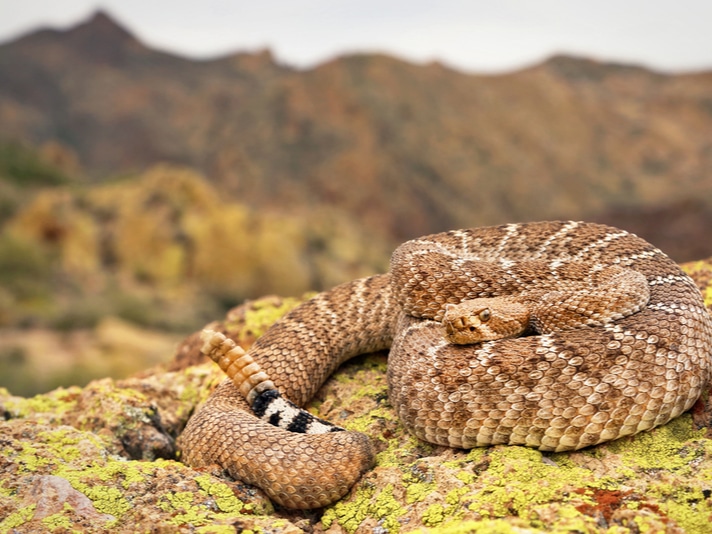
The research suggests that snake poop can facilitate germination and the western diamondback rattlesnake can act as seed rescue and secondary dispersal agents.
The complete study, “The potential for seed rescue and secondary dispersal in rattlesnakes” can be read on the Royal Society Open Science website.