None
DE
UCSD researchers home in on treatment target for aggressive breast cancer
['Noah Lyons']
San Diego Union-Tribune
UC San Diego researchers have keyed in on a previously unrecognized treatment target for the most aggressive type of breast cancer and hope they’ll be able to boost future drug development.
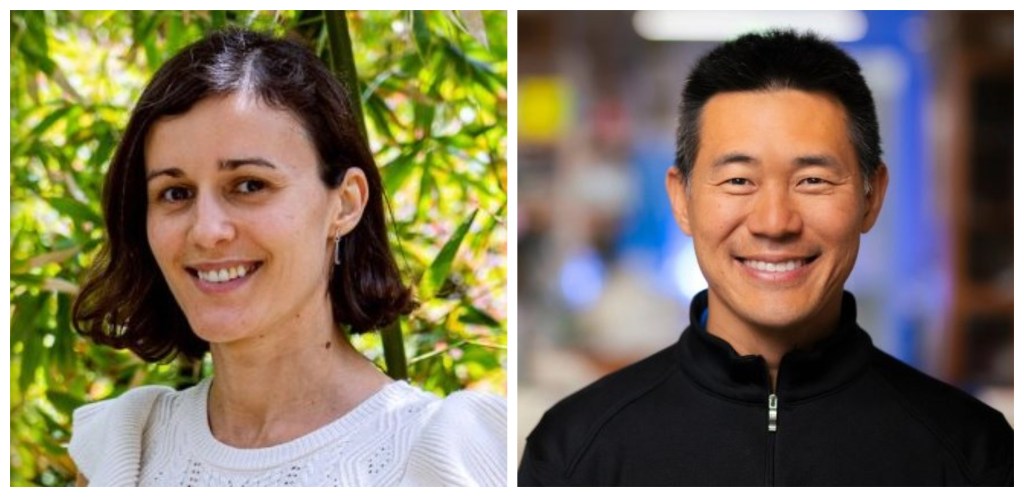
The study, published recently in the scientific journal Cancer Research, is the first the married couple have led together.
The process of finding a treatment target began with using integrative CRISPR screening and RNA sequencing for about 1,000 RNA binding proteins in TNBC cells.
“We identified 50 RNA binding proteins that are important for triple-negative breast cancer, among which was PUF60, this protein that is expressed at higher levels in cancer cells compared to normal cells.
He added that future research depends on gaining support for it.